-
 Continue reading →: Inscrutability in Game Design: Perils and Possibilites
Ian here— Earlier this week, I sat down with some friends to play David OReilly’s Everything (2017). We were all suitably hyped, and ready for an evening of being different things while chuckling over the political indefensibility of object-oriented ontology. (Yes, really. We’re those people.) But our evening hit a snag. Somewhere along the line, in our first…
-
 Continue reading →: A Hodology of Videogames: Breath of the Wild
Ian here— “Hodology” is, according to its Greek roots, the study of paths. These days, its primary associations seem to be with neuroscience. But I want to resurrect an older, more literal use of it: the study of how people move throughout a landscape, the ways in which they chart routes that are particular to the human…
-
 Continue reading →: The Degradation of Carolee Schneemann’s Fuses
by Isabella B-RSAIC ENG 1005-14: First-Year Seminar IIAvant-Garde Film and Video ArtSpring 2017 When discussing any piece of art it is very likely that the artist will become a part of the conversation. However, many artists do not wish this upon the viewer. The artist as a not to be acknowledged entity has been around…
-
 Continue reading →: Lesson Plan: Borders, Boundary Crossings, and Subaltern Images
Ian here— Well, you can’t win ’em all. Over-ambition gets to the best of us, and sometimes a somewhat incoherent lesson is the result. Consider this post to be less of a how-to guide, and more of a postmortem on what is clearly still a work-in-progress. Migration is a topic that, from the beginning, I…
-
 Continue reading →: Personal Puzzles
Ian here— When you first start playing Eli Piilonen’s The Company of Myself (2DArray, 2009), it feels as if someone found a way to perfectly weld together a diary entry with a puzzle platformer. This was back in the heady days in the wake of Jonathan Blow’s Braid (Number None, 2008), when the public at large was still reeling over the idea that…
-
 Continue reading →: What Went Wrong?
by JB FSAIC ENG 1005-14: First-Year Seminar IIAvant-Garde Film and Video ArtSpring 2017 The avant-garde, experimental films of the late 1960s put their audience in the darkness of the theater with radical images and speculative subjects. The viewers were left to wonder “What am I watching,” “Why is this happening,” and ultimately “What went wrong?”…
-
 Continue reading →: I’ve Been Everything, Man
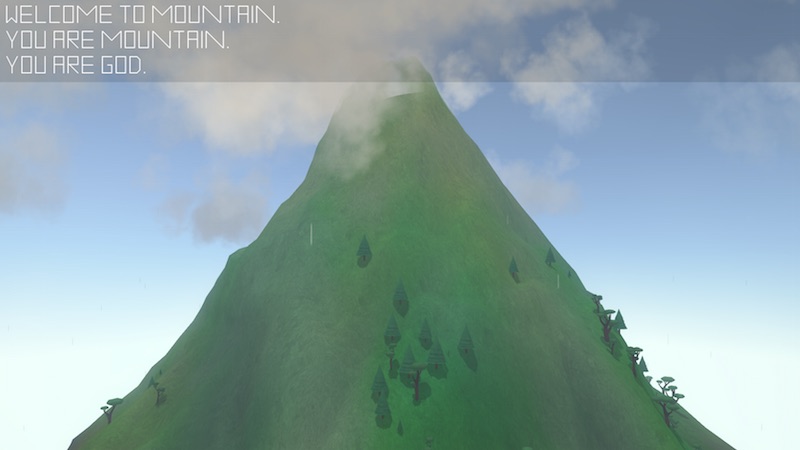
Ian here— 2017 marks the year of animator David OReilly’s return to to the medium of videogames, following up on his strange and serene digital-art-toy-screensaver-thing Mountain (2014). His new game, Everything, released on PS4 on March 21st, and releases on Windows, Mac and Linux this Friday. The game’s title, Everything, is also the game’s premise: It is a game…
-
 Continue reading →: Discussion: Robert Breer’s Recreation and Jodie Mack’s The Saddest Song in the World
Ian here— As I mentioned in a previous post, I’m hesitating to call write-ups of classes in the section of “Avant-Garde Film and Video Art” I’m teaching this semester “lesson plans.” The course discussion I’m reporting back on often proceeds more from my students’ on-point engagement with the films than it does from any carefully-planned questions…
-
 Continue reading →: A Practical Guide to Gone Home
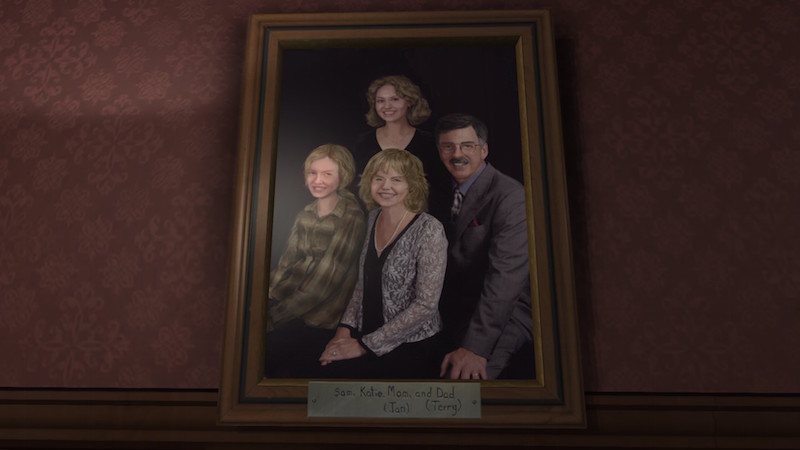
Ian here— Two weeks ago, I taught Gone Home (The Fullbright Company, 2013) for my “Frames, Claims and Videogames” course. I hadn’t played the game in quite some time, so, in the run-up to the course, I re-played it, searching through the house exhaustively, reminding myself of where every last note and prop was, re-acquainting myself with…
-
 Continue reading →: A Practical Guide to Problem Attic
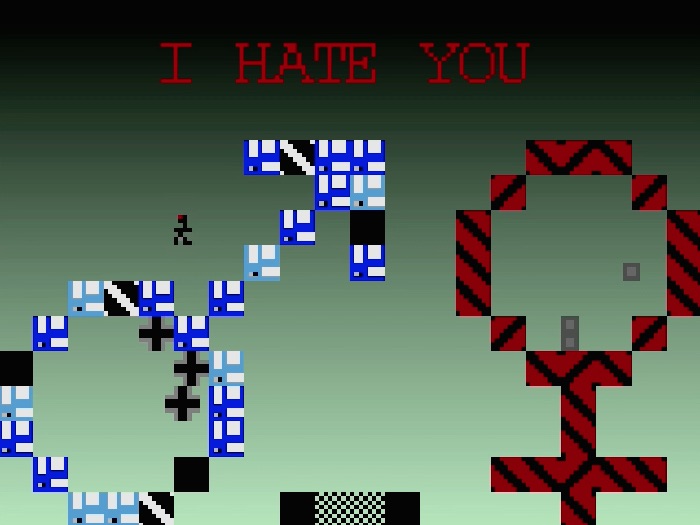
Ian here— Liz Ryerson’s Problem Attic (2013) is a classic of the personal games movement. It is also notoriously difficult, for a number of overlapping reasons. I have come to realize that there are no real walkthroughs of it online, to help players that might be interested in examining Ryerson’s game and seriously considering its themes, but simply…
-
 Continue reading →: Discussion: Bill Brown’s The Other Side
Ian here— My teaching style for my “Avant-Garde Film and Video Art” first-year seminar course at the School of the Art Institute this semester has been relatively hands-off. I show students things in class, give a short 10-20 minute lecture, have students give presentations (you can see their handiwork here!), and then launch into discussion. One…
-
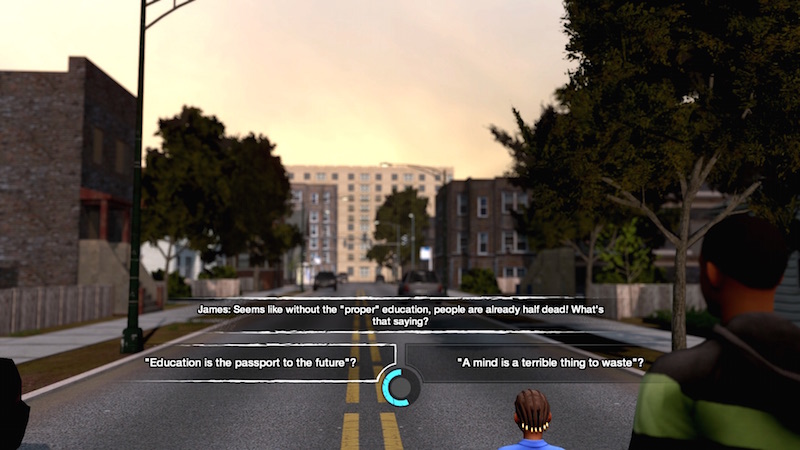 Continue reading →: Five Questions About We Are Chicago
Ian here— Wow, okay, so, deep breaths. Let me repeat the mantra: “I critique, because I care.” We Are Chicago (Culture Shock Games, 2017) arrives at very particular time for me. I just finished up with a panel on Chicago game cultures for SCMS 2017, and I have also been working through some ideas on the limits of the…
-
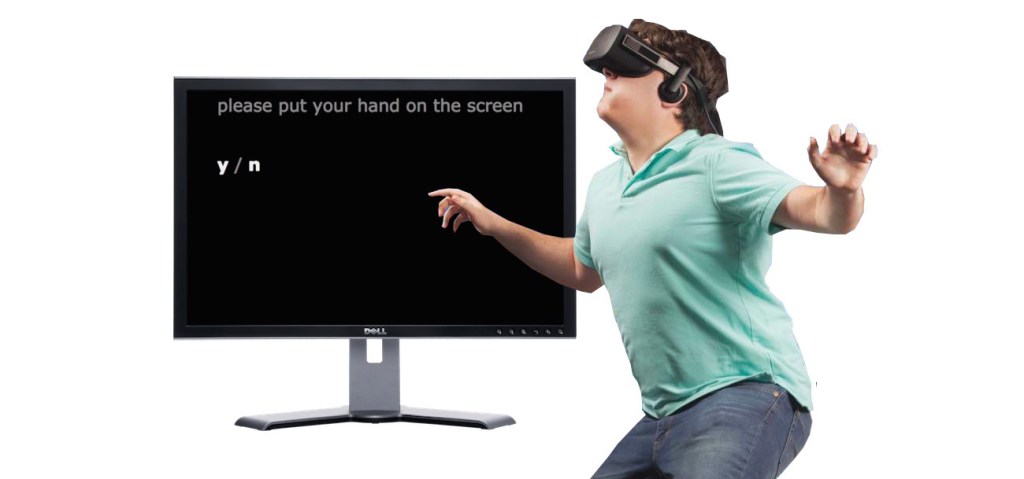 Continue reading →: Feeling Through Computers: Videogames and the Bleeding Edge of Empathy
Ian here— What follows is an invited talk I gave last month at a university that will remain unnamed. Here, things get a little awkward: the talk in question was actually a job talk, and I am technically still waiting to hear back on the school’s final decision. Hence, the location of the talk remaining unnamed. Originally,…
-
 Continue reading →: Playbor in the Loop: eSports and Athletic Scholarships in Chicago Education
Ian here— What follows is my talk from SCMS 2017 in Chicago, IL. It was part of the panel I organized, “Gaming’s Midway Point: Games and Game Culture in Chicago“—and I’d like to thank Julianne Grasso, Daniel Johnson, and Chris Carloy for contributing papers and making that panel the success that it was. You can follow along…
-
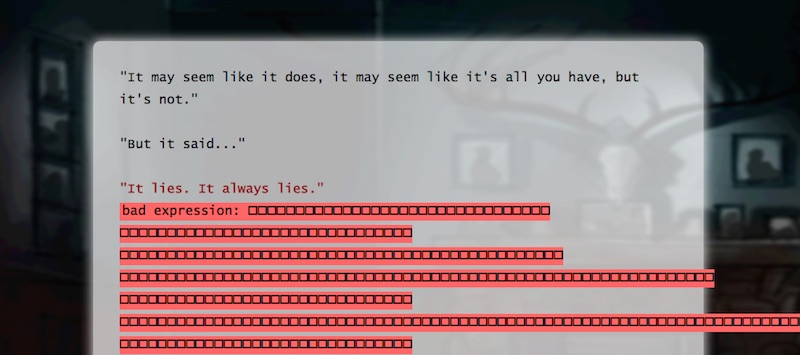 Continue reading →: Lesson Plans: The Definitions and Expectations We Have of Games
Ian here— This post serves as a little mini-postmortem on two difficult class sessions in my “Frames, Claims, and Videogames” course. There are multiple overlapping reasons why these class sessions were difficult for me. One is that my lesson had to pivot strangely from seemingly-academic debates on the definition of games to a sudden dive into…
-
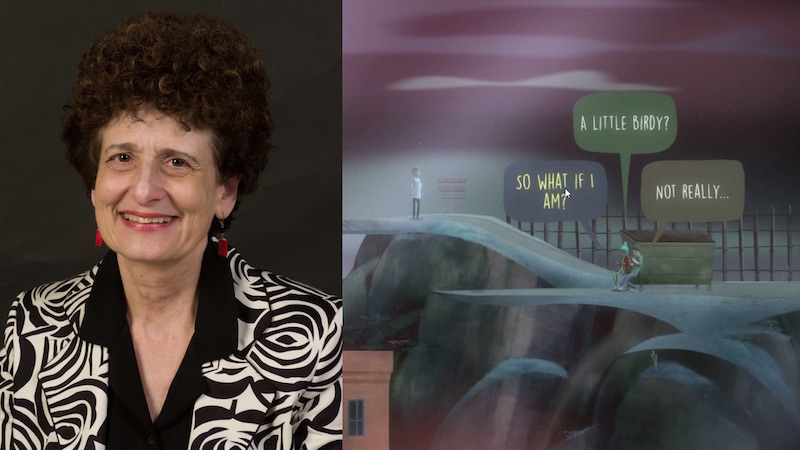 Continue reading →: Lesson Plan: Janet Murray, Damn Fine Futurist
Ian here— The first half of my “Frames, Claims, and Videogames” course is devoted to five major debates that have hovered around games over the past couple of decades. Some of these are legal, some have occurred in the art world, some have occurred in the sphere of popular discourse, and others are academic. For…
