-
 Continue reading →: New Resource: Pedagogical Notes on Games
Ian here— I am very pleased to announce a new page I’ve added to the “Teaching” section of this site: “Practical Pedagogical Notes on Games.” Let’s assume, for a moment, that you are an educator. You’d like to introduce videogames into the class you’re teaching. Perhaps it’s a course on new media, or digital storytelling; perhaps you’d…
-
 Continue reading →: Lesson Plan: Cinematic Editing—from Bricks to Collisions to Un-linkage
Ian here— When teaching cinema studies at a whirlwind pace, my next stop after the lesson plan on basic terms I posted a few weeks ago is to devote a class to montage. The particular lesson plan here is one I used in my Avant-Garde Film and Video Art class, so it’s geared toward giving students a…
-
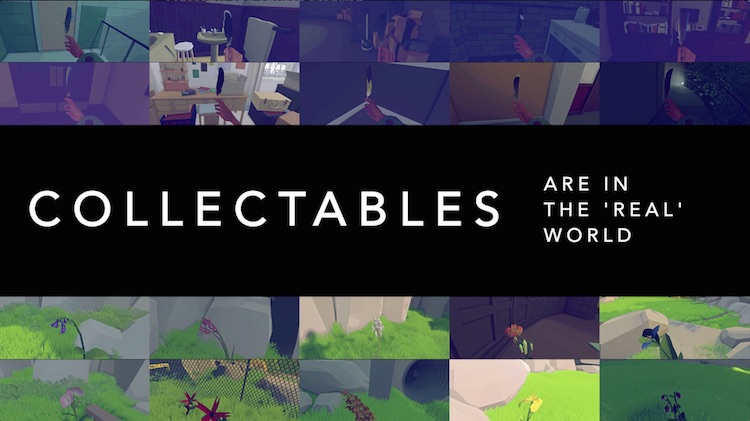 Continue reading →: Let’s Study Virginia … some more!
Ian here— It’s done! The second part of my “Let’s Study Virginia” video is now live on YouTube. If you just want to watch the second part, click the embedded video above. If you want to watch the whole thing from the beginning, click here. (I have also updated my original post so that the embedded video…
-
Continue reading →: Joana Pimenta’s An Aviation Field
Ian here— So I’ve done a couple dispatches now from the University of Chicago Film Studies Center’s “Troubling the Image” series. I’ve especially like the recent material that Julia Gibbs and Patrick Friel have pulled together from filmmakers and video artists around the world. As it turns out, 2016 was an especially good year for experimental cinema. In…
-
 Continue reading →: Lesson Plans: SEE YOU IN COURT (or, SCOTUS ponders whether the medium is the message)
Ian here— In this post I’m going to be mashing together several lesson plans from two very different courses: my Intro to Mass Communication course at DePaul University, and the course “Frames, Claims, and Videogames,” which I’m currently teaching at the School of the Art Institute right now. Despite their different origins, these lessons speak…
-
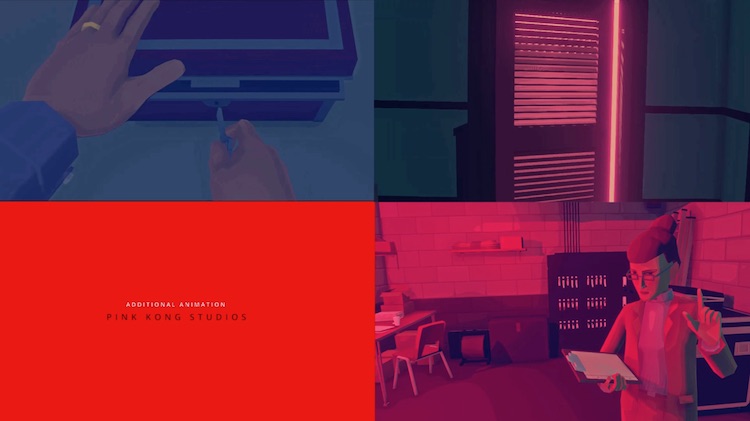 Continue reading →: Let’s Study Virginia
Ian here— So, awhile back I promised further thoughts on Virginia. After mulling it over, I decided to put them in video form. The end result is a sort of let’s play/video essay hybrid, which I’m calling a “let’s study.” (This sounded less presumptuous than “let’s analyze,” which I didn’t want to use because this video isn’t…
-
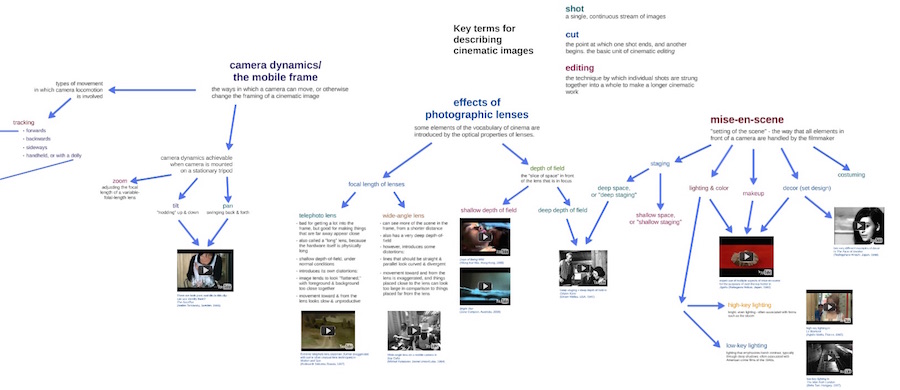 Continue reading →: Lesson Plan: Basic Terms of Cinema Studies + Their Relevance for Avant-Garde Cinema
Ian here— I suspect that every cinema studies teacher has their own favorite examples to use when teaching key vocabulary terms, and I would not be so presumptuous as to prescribe my own favorites! Nevertheless, though, it’s an important part of the job, so I wanted to share my own approach here. Over the past couple…
-
 Continue reading →: Lesson Plan: Deren, Anger, and Their Films Today
Ian here— This is not a full lesson plan. It is only a few remarks, which I made at the beginning of my class before moving on to the lesson proper, which was much more discussion-based. I consider these remarks to be necessary in the current moment, and I plan to continue delivering such remarks during…
-
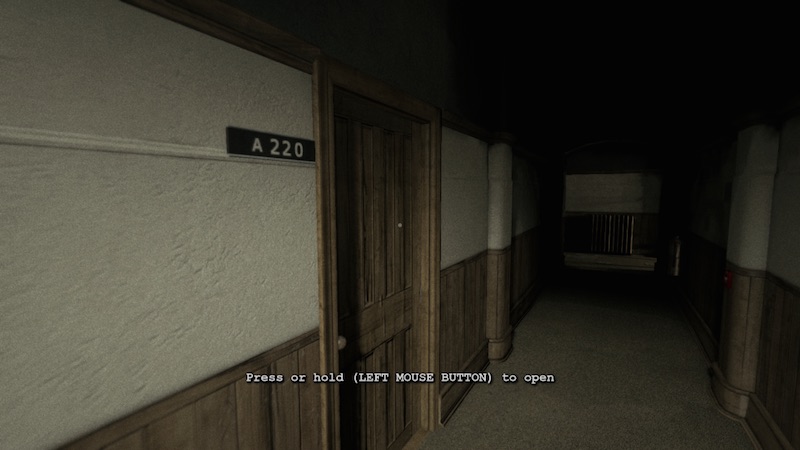 Continue reading →: Cursory Knoweldge
Ian here— If I had to sum up a significant portion of the writing I do on videogames, I would offer the following formulation as a précis: The establishment of character in videogames isn’t achieved solely through writing. It is also established through user interface design. Sometimes, something as simple as how a cursor behaves can tell us a lot about…
-
 Continue reading →: The Process Genre in Videogames: Sunset
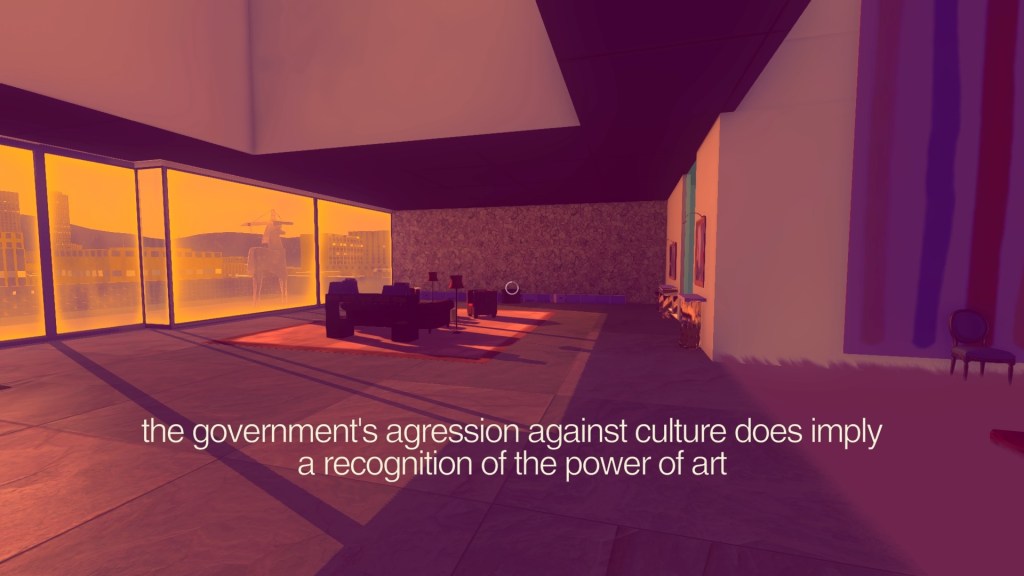
Ian here— This post is part of a series that borrows the term process genre from Salomé Aguilera Skvirsky’s work in cinema studies, and explores its utility for videogame analysis. A quick definition: “process genre” films are films about labor, films that focus on processes of doing and making, that are fascinated with seeing tasks through to their completion. They are…
-
 Continue reading →: Arash Nassiri’s Darwin Darwah
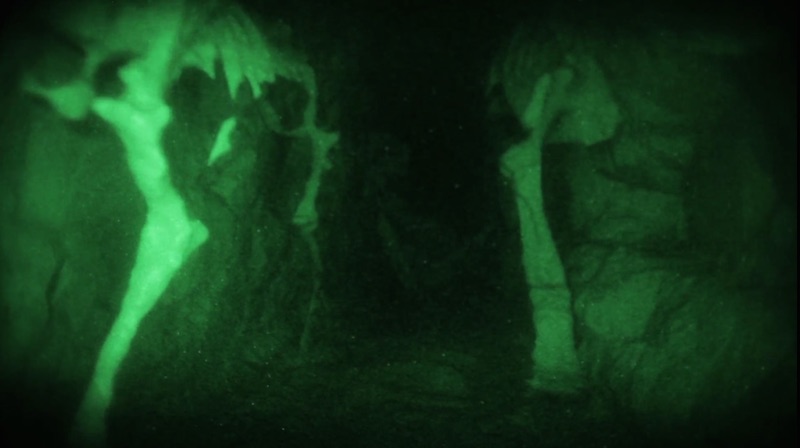
Ian here— Another quick reflection on something screened for the Film Studies Center’s so-far excellent “Troubling the Image” series. This time, Arash Nassiri’s video Darwin Darwah (2016), screened as part of their “Tales of Sound and Vision” night, last Friday. The screening was full of great stuff—including The Inner World of Aphasia (Edward R. Feil, 1958), which I would…
-
 Continue reading →: Preview: Frames, Claims, and Videogames
Ian here— So I got an email last Saturday from the Liberal Arts Department at the School of the Art Institute, saying they’re short one First-Year Seminar I instructor, and asking me if I could sub in. I agreed. I’ve already taught First-Year Seminar I at SAIC three times, and have three separate courses ready…
-
 Continue reading →: Preview: Avant-Garde Cinema and Video Art
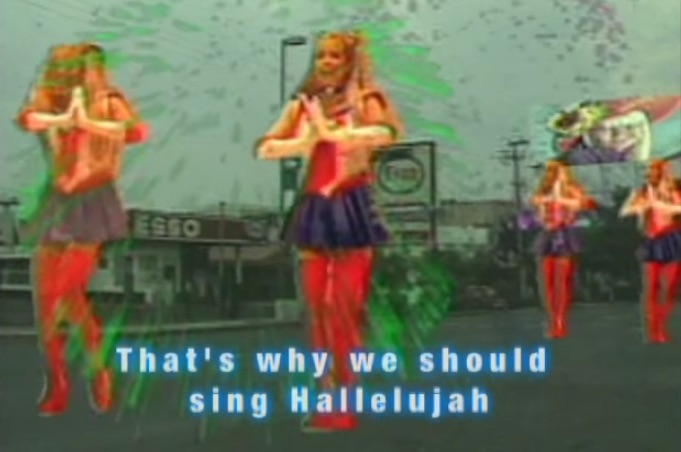
Ian here— The School of the Art Institute spring 2017 semester begins tomorrow, and I wanted to take a moment this week to introduce this term’s classes, as you will likely be seeing posts related to these classes in the near future. First up: the section I’m teaching for SAIC’s First-Year Seminar II course, “Avant-Garde Film…
-
 Continue reading →: Misty-eyed Modernism
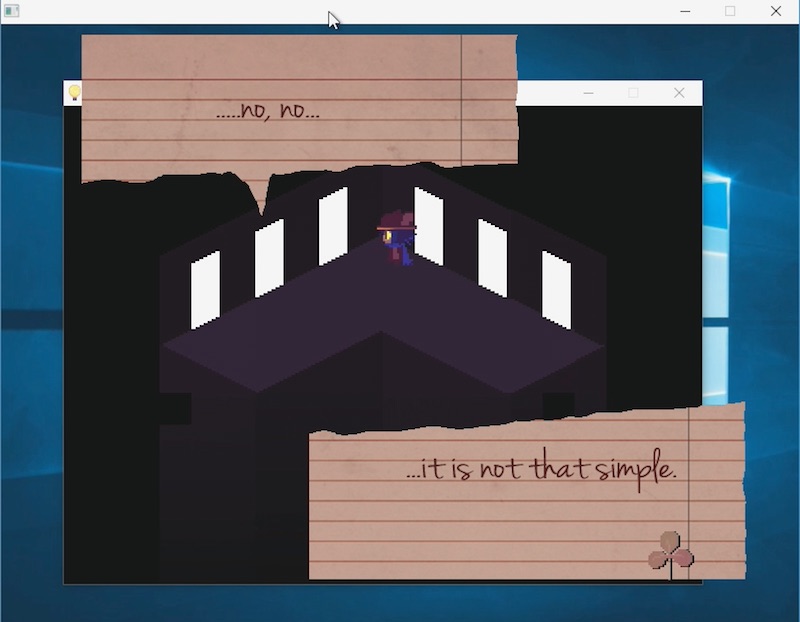
Ian here— In 1982, longtime Village Voice film critic J. Hoberman penned a famous essay entitled “Vulgar Modernism.” In it, he pointed out that medium-specific reflexivity—the use of “art to call attention to art” that Clement Greenberg proposed as the defining feature of modernist painting—was, in fact, everywhere in American mass culture in the 1940s and 1950s.[i] It…
-
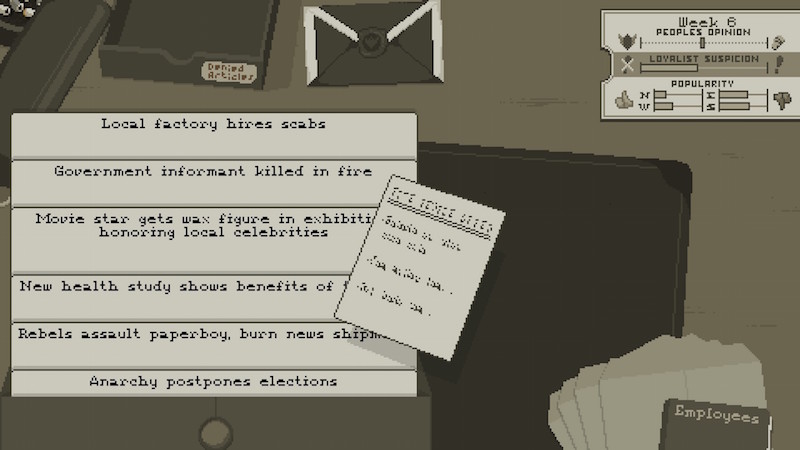 Continue reading →: The Process Genre in Videogames: In the Shadow of Papers, Please
Ian here— This post is part of a series that borrows the term process genre from Salomé Aguilera Skvirsky’s work in cinema studies, and explores its utility for videogame analysis. A quick definition: “process genre” films are films about labor, films that focus on processes of doing and making, that are fascinated with seeing tasks through to its completion. They are…
-
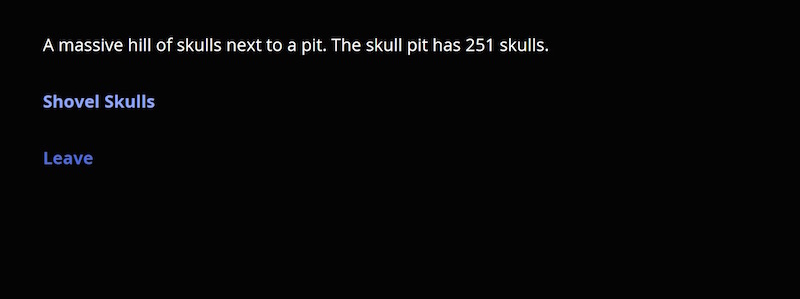 Continue reading →: The Process Genre in Videogames: Skulljhabit
Ian here— This post is part of a series that borrows the term process genre from Salomé Aguilera Skvirsky’s work in cinema studies, and explores its utility for videogame analysis. A quick definition: “process genre” films are films about labor, films that focus on processes of doing and making, that are fascinated with seeing tasks through to their completion. They are…
