CMST 29201
Winter 2027
Instructor: Ian Bryce Jones, ijones[at]uchicago[dot]edu
Class: T/Th 11:00 AM–12:20 PM, Cobb Hall 311
Screenings: M 7–10 PM, Cobb Hall 307
This syllabus is subject to revision up through January 4, 2027
Course Description
Does utopian thinking have a future in a 21st-Century world grappling with climate change, post-pandemic social crises, and AI doomerism? This advanced seminar visits ambiguously bright futures proposed in contemporary films (from directors including Brad Bird, David Cronenberg, Fleur Fortuné, Don Hertzfeldt, and Spike Jonze) and games (from space colony sims to cozy farming games). While probing the optimistic potential of contemporary moving image art, students will also read dispatches from today’s wildest dreamers—eco-socialist policy proposals, solarpunk science fiction, and the musings of Silicon Valley moguls—measuring them up against prior utopian traditions. Students will engage in a mix of individual and collaborative projects throughout the quarter, and the course will culminate in a final research project (that may or may not usher in a new golden age).
Assignments and Grade Distribution
Students’ final grades will be determined by the following breakdown:
10% Attendance. Students will consistently attend class meetings and screenings. You may miss three class sessions or screenings without penalty; beyond that point unexcused absences will have an impact on this portion of your grade. Masking is encouraged if it will allow you to participate more fully.
14% Social annotation posts on seven course readings. Spaced throughout the quarter are seven readings that students are expected to post annotations on via Hypothesis (in Canvas). For each reading students are expected to post two annotations, at least one of which must be a reply to someone else. All annotations should be posted by 9AM the morning before the class the reading has been assigned for. Designated annotation readings are indicated as such in the syllabus, and on Canvas.
21% Participation in in-class writing exercises and group activities. In addition to basic attendance, students will also be assessed on their participation in various in-class individual and group exercises. If you are absent—even within the three-absence limit mentioned above—it is always a good idea to check in and ask if there were any in-class activities you should make up.
10% Midterm quiz. This multiple-choice/short-answer quiz will be administered in-class on Thurs, Feb 4 and will cover texts and concepts from the half of the course.
10% Final project abstract. Due during extended office hours the week of Feb 15–19. Three final project types are allowed for this class:
- A traditional term paper in the range of 3500–5200 words (roughly 10–15 double-spaced pages). This paper should present a well-developed and well-supported argument about a media object, positioning it within a broader rhetorical trend in a manner that is amply supported by research.
- A critical video essay no more than 15 minutes in length. This assignment type requires less writing than the term paper but must use visual evidence persuasively. Video clips should not serve simply as visual background for an orally-delivered argument, but should play a central role in presenting and developing the argument. This project type is recommended only for students pursuing arguments about visual style or sound design, or who intend to illustrate research using visual forms such as graphs.
- A creative project. Creative projects must exhibit significant engagement with the history of ideas covered in the course. Any student submitting a creative project is required to also submit an annotated bibliography indicating how their submission was inspired by or otherwise engages with course readings. During the abstract stage, the instructor reserves the right to re-direct or outright reject creative projects that do not sufficiently draw from the concepts of the course.
35% Final project first and final draft. Whatever the form of the project, progress will be assessed in two stages: a first draft and a final draft. Rather than each stage being weighted as an independent portion of your final grade, students will be assigned a provisional grade in the draft stage and provided with clearly articulated expectations and criteria for success on the final draft.
- First draft due Fri, Feb 26
- Final draft due Fri, March 12
Assignment Policies
Policies on A.I. usage and other aspects of assignments for this class will be democratically decided upon by students themselves. The contents of this section are provisional for now and will be replaced by a more comprehensive statement once the policy is determined by the student body.
Course Schedule
Mon, Jan 4 Screening (114 min)
- World of Tomorrow (Don Hertzfeldt, 2015)
- Things to Come (William Cameron Menzies, 1936)
Tues, Jan 5: 21st-Century Futurelessness
Required readings to do by this class meeting:
- Franco “Bifo” Berardi, After the Future (2011), excerpt from Ch 1
- Neal Stephenson, “Innovation Starvation” (2011)
- Peter Thiel, “Swift Blind Horseman?” (2011)
- Kristin R. Ghodsee, Everyday Utopia (2023), Ch 8
Thurs, Jan 7: A Brief 20th Century Pit Stop – Techno-Optimism of the 1930s
Required readings to do by this class meeting:
- Howard Scott, Science Versus Chaos! (1933)
- Technocracy, Inc., “The Social Objectives of Technocracy” (1933)
- Bertrand Russell, The Scientific Outlook (1931), Ch 14
- Hugo Gernsback, “Wonders of the Machine Age” (1931)
Recommended further reading:
- Lyman Tower Sargent, “The Three Faces of Utopianism Revisited” (1994)
Mon, Jan 11 Screening (156 min)
- EPCOT (uncredited Walt Disney Studios director, 1967)
- Tomorrowland (Brad Bird, 2015)
Tues, Jan 12: Reclaiming the Flying-Car Future
Required readings to do by this class meeting:
- William Gibson “The Gernsback Continuum” (1981)
- Annotate: J. Storrs Hall, Where Is My Flying Car? (2021), Chs 1, 2, 13 & 20
Recommended further reading:
Thurs, Jan 14: Leaving the Cradle of Earth
Required readings to do by this class meeting:
- Annotate: Robert Zubrin with Richard Wagner, The Case for Mars (1996), Ch 1 and Epilogue
- Elon Musk, “Making Humans a Multi-Planetary Species” (2017)
Recommended further reading:
- Frederick Jackson Turner, “The Significance of the Frontier in American History” (1893)
Mon, Jan 18 No Screening due to observance of MLK Day
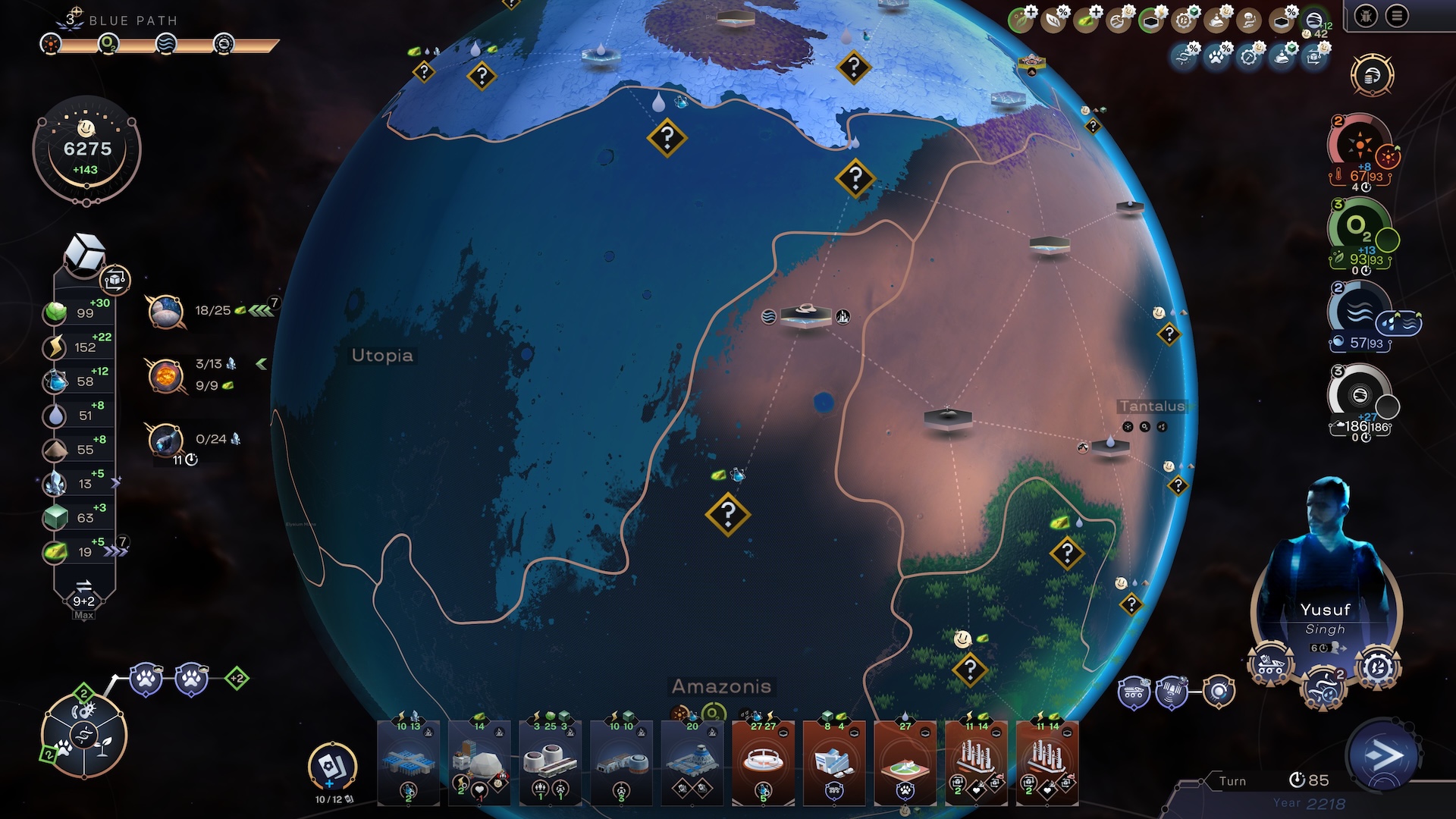
Instead, by Jan 19 spend 2–3 hours playing this game (installed on Regenstein Library computers):
- Terraformers (Asteroid Lab, 2023)
Tues, Jan 19: A City on Mars
Required readings to do by this class meeting:
- Annotate: Garrett Hardin, “Living on a Lifeboat” (1974)
- Ian Bogost, Persuasive Games (2007), multiple excerpts from Ch 1
Recommended further reading:
- Allie Thek, “Pay for Your Lack of Vision: The Naturalization of Imperialist Epistemology in Science Fiction Colony Sims” (2026)
Thurs, Jan 21: Lifeboat Ethics
Required readings to do by this class meeting:
- Ursula K. Le Guin, “Newton’s Sleep” (1991)
- N.K. Jemisin, “Emergency Skin” (2019)
Mon, Jan 25 Screening (148 min)
- Futurama S3E15 “I Dated a Robot” (2001)
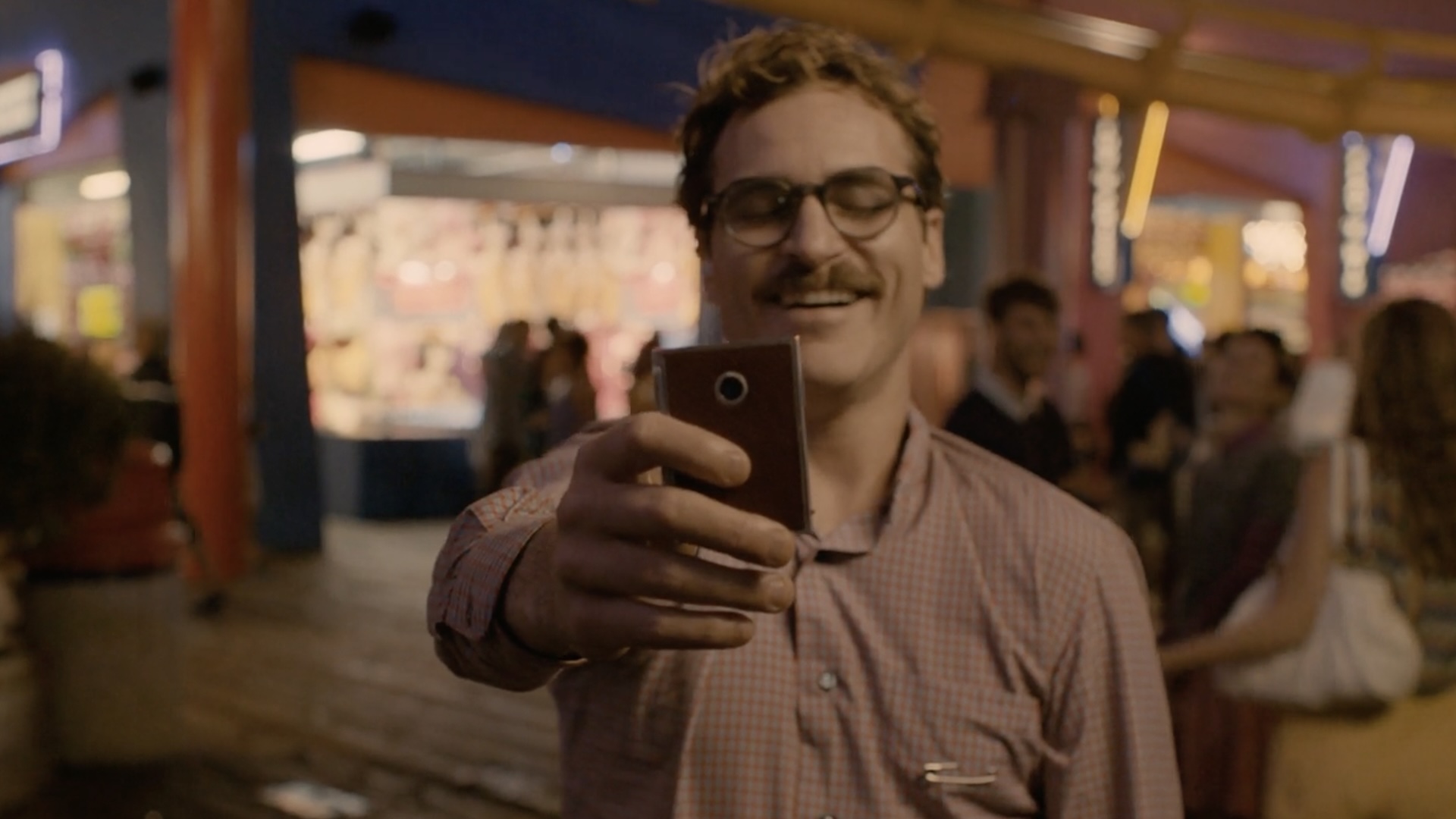
- her (Spike Jonze, 2014)
Tues, Jan 26: Whither Artificial Intelligence? The End of Work, or the End of Loneliness?
Required readings to do by this class reading:
- John Maynard Keynes, “Economic Possibilities for Our Grandchildren” (1930)
- Ray Kurzweil, The Age of Spiritual Machines (1999), Prologue
- Annotate: Nick Srnicek and Alex Williams, Inventing the Future (2015), Ch 6
- Amogh Dimri, “The People Who Marry Chatbots” (2026)
Thurs, Jan 28: Machines of Loving Grace
Required readings to do by this class meeting:
- Ray Kurzweil, The Age of Spiritual Machines (1999), Ch 6
- Dario Amodei, “Machines of Loving Grace” (2024)
Recommended further reading:
Mon, Feb 1 Screening (146 min)
- World of Tomorrow Episode Two (Don Hertzfeldt, 2017)
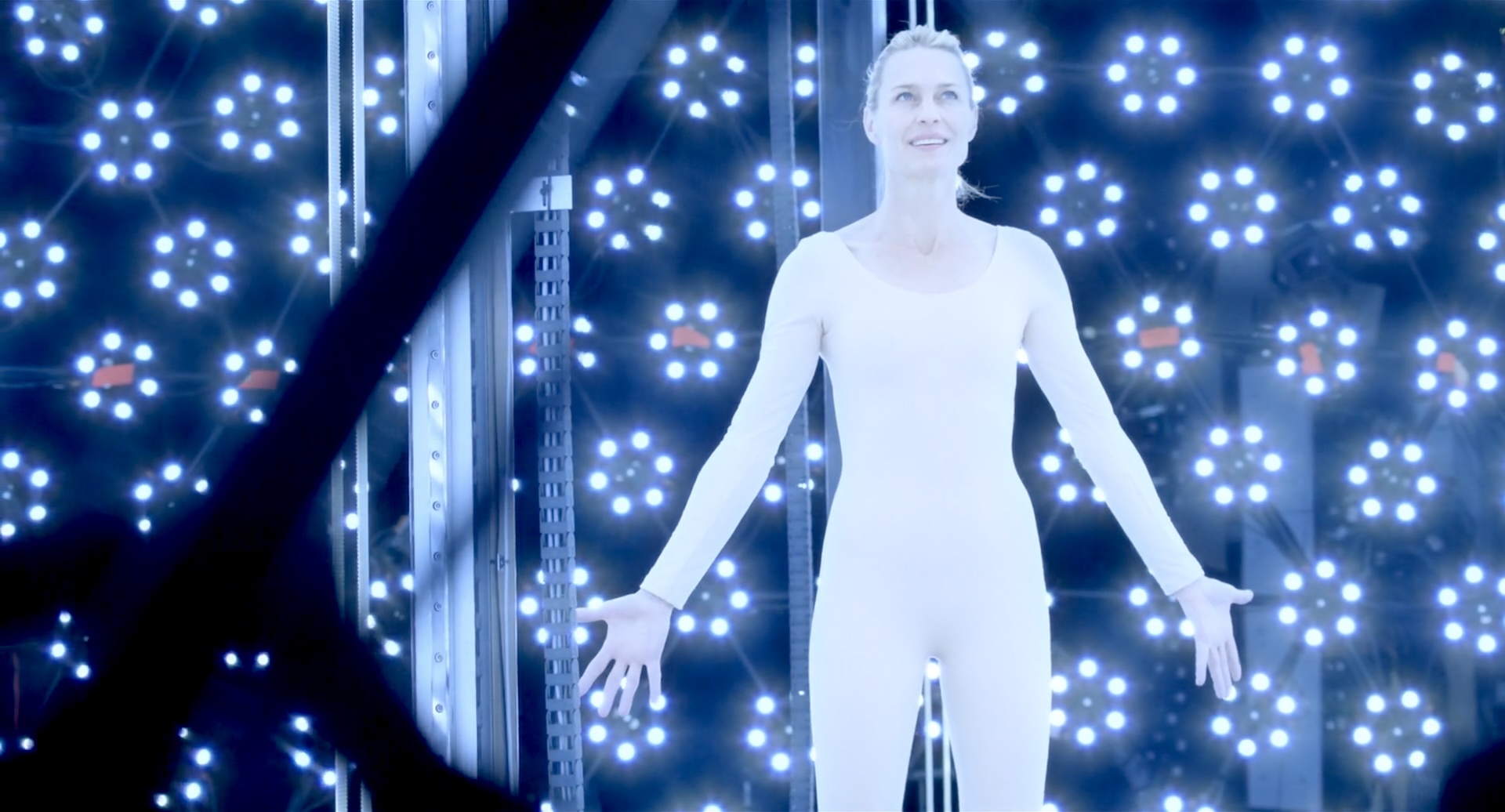
- The Congress (Ari Folman, 2013)
Tues, Feb 2: Virtual Realities
Required readings to do by this class meeting:
- Ray Kurzweil, The Age of Spiritual Machines (1999), Ch 7
- Ruth Levitas, Utopia as Method (2013), Ch 2
- Dominic Lees, “Attack of the Clones: What the Future Holds for Actors in the AI Era” (2023)
Thurs, Feb 4: Transhumanism
In-class quiz administered in the first half of this class meeting.
Required readings to do by this class meeting:
- Greg Egan, “Learning to Be Me” (1990)
- Paolo Bacigalupi, “The People of Sand and Slag” (2004)
- Becky Chambers, “Chrysalis” (2014)
- Camille Meyers, “Solar Child” (2017)
Mon, Feb 8 Screening (141 min)
- World of Tomorrow Episode Three (Don Hertzfeldt, USA, 2020)
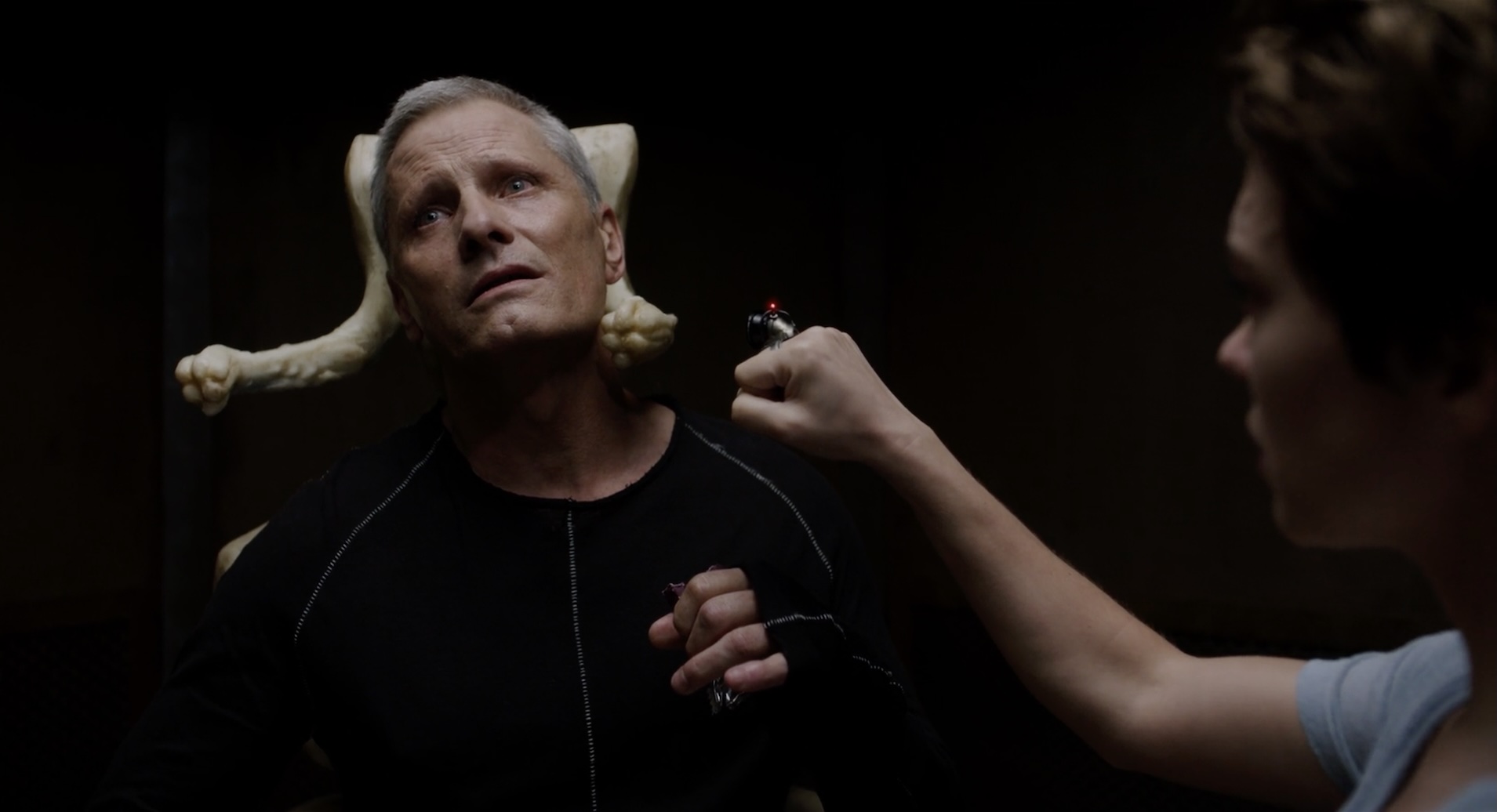
- Crimes of the Future (David Cronenberg, Canada, 2022)
Tues, Feb 9: Future Bodies
Required readings to do by this class meeting:
- Tom Moylan, Demand the Impossible: Science Fiction and the Utopian Imagination (1986), Ch 3
- Sean Seeger, “Speculative Queerness: Non-Normative Bodies, Genders, and Sexualities in David Cronenberg’s Crimes of the Future” (2025)
Thurs, Feb 11: Future Populations
Required readings to do by this class meeting:
- Annotate: Donna Haraway, “Making Kin in the Chthulucene” (2018)
- Dean Spears and Michael Geruso, After the Spike (2025), Chs 1 & 7
Recommended further reading:
- Gideon Lewis-Kraus, “The End of Children” (2025)
Week of Mon, Feb 15–Fri, Feb 19
Final project abstracts are due this week. Submission format is in-person, dropping in for a conversation about the project during office hours. Office hours will be extended this week to accommodate this expectation.
Mon, Feb 15 Screening (114 min)
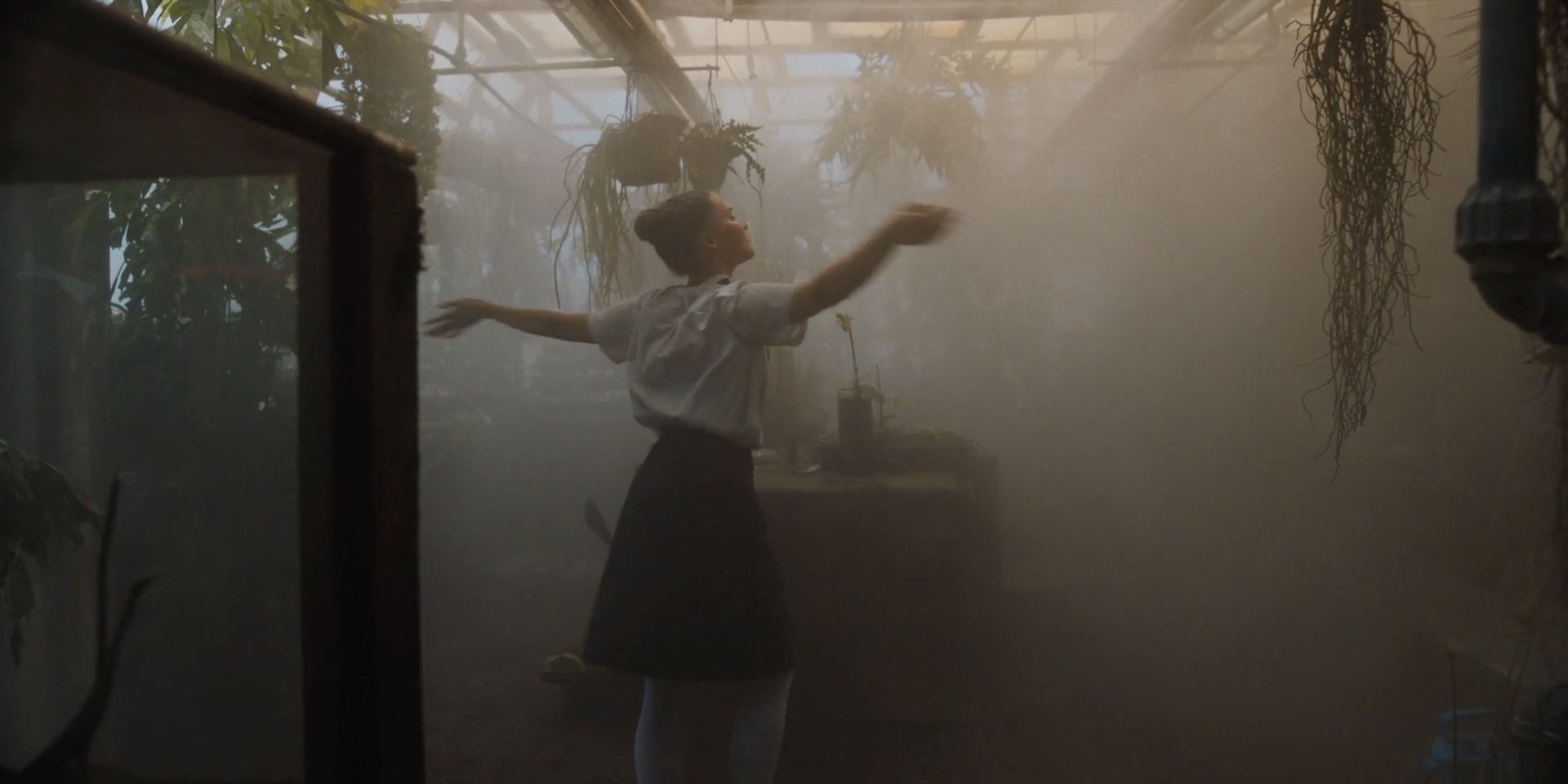
- The Assessment (Fleur Fortuné, 2024)
Tues, Feb 16: Child-rearing
Required readings to do by this class meeting:
- Kristin R. Ghodsee, Everyday Utopia (2023), Ch 3
Thurs, Feb 18: From New Jerusalem to Arcadia
Required readings to do by this class meeting:
- Samuel R. Delany, “Critical Methods/Speculative Fiction” (1969)
- Annotate: Ursula K. Le Guin, “A Non-Euclidean View of California as a Cold Place to Be” (1982)
Recommended further reading:
- Fredric Jameson, Archaeologies of the Future (2005), Ch 10
Mon, Feb 22 No Screening
Instead, by Feb 23 spend 2–3 hours playing this game (installed on Regenstein Library computers):
- Stardew Valley (ConcernedApe, 2016)
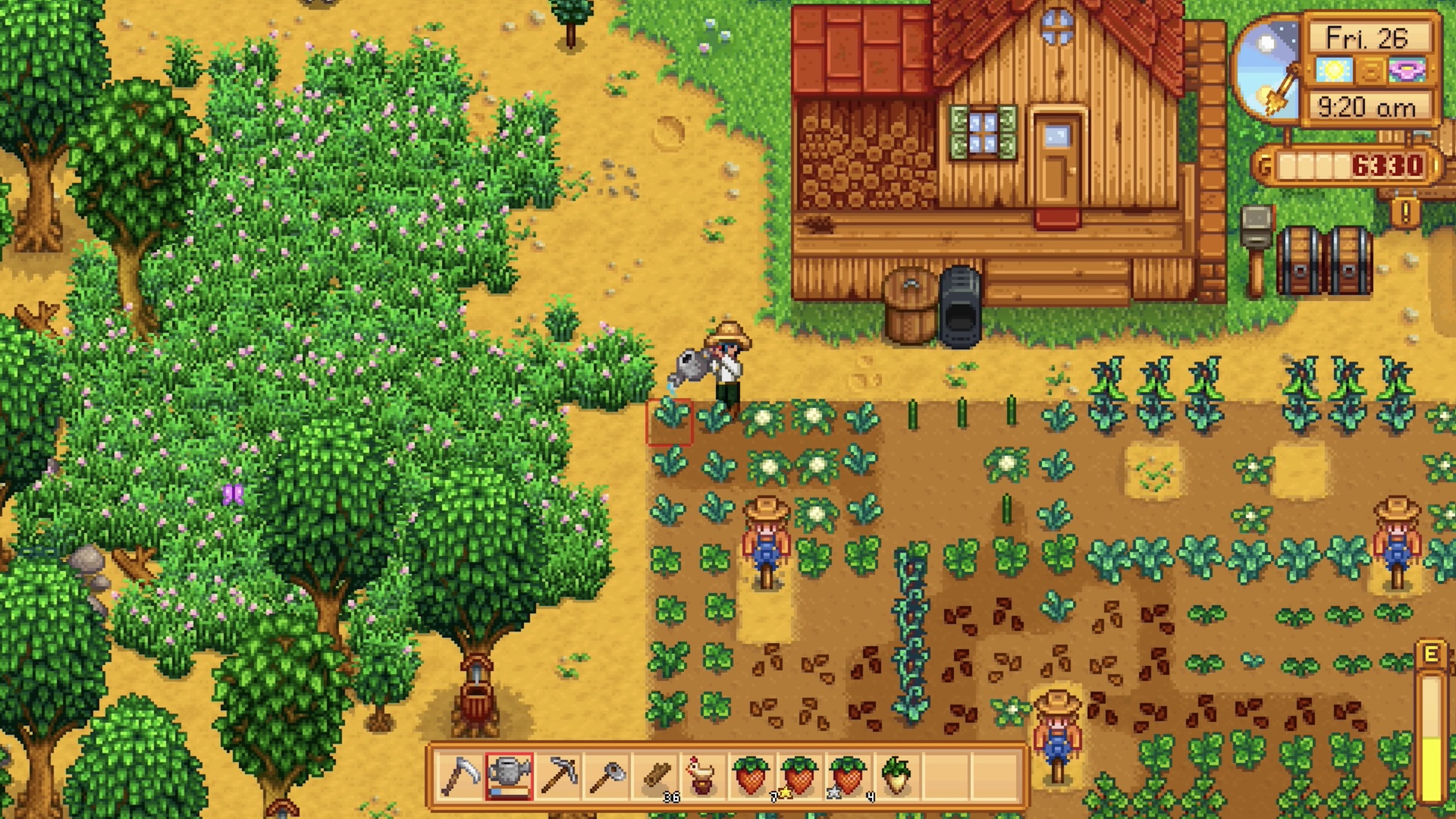
Tues, Feb 23: The Pastoral Dream
Required readings to do by this class meeting:
- E.F. Schumacher, Small Is Beautiful (1973), Pt II Ch 5
- Annotate: Wendell Berry, The Unsettling of America (1977), Chs 2 & 4
- Jordan Pruett, “On Feeling Productive: Videogames and Superfluous Labor” (2019)
Thurs, Feb 25: Ecotopias in Fiction
Required readings to do by this class meeting:
- Ernest Callenbach, “Chocco” (1994)
- Annallee Newtiz, “The Almond Pirates” (2022)
- D.K. Mok, “The Spider and the Stars” (2018)
Fri, Feb 26
Final Project First Draft Due
Mon, March 1 No Screening
Instead, by March 2 spend 2–3 hours playing this game (available as free download, or browser-based):
- Half-Earth Socialism (Francis Tseng, Son La Pham, Drew Pendergrass, and Troy Vettese, 2022)
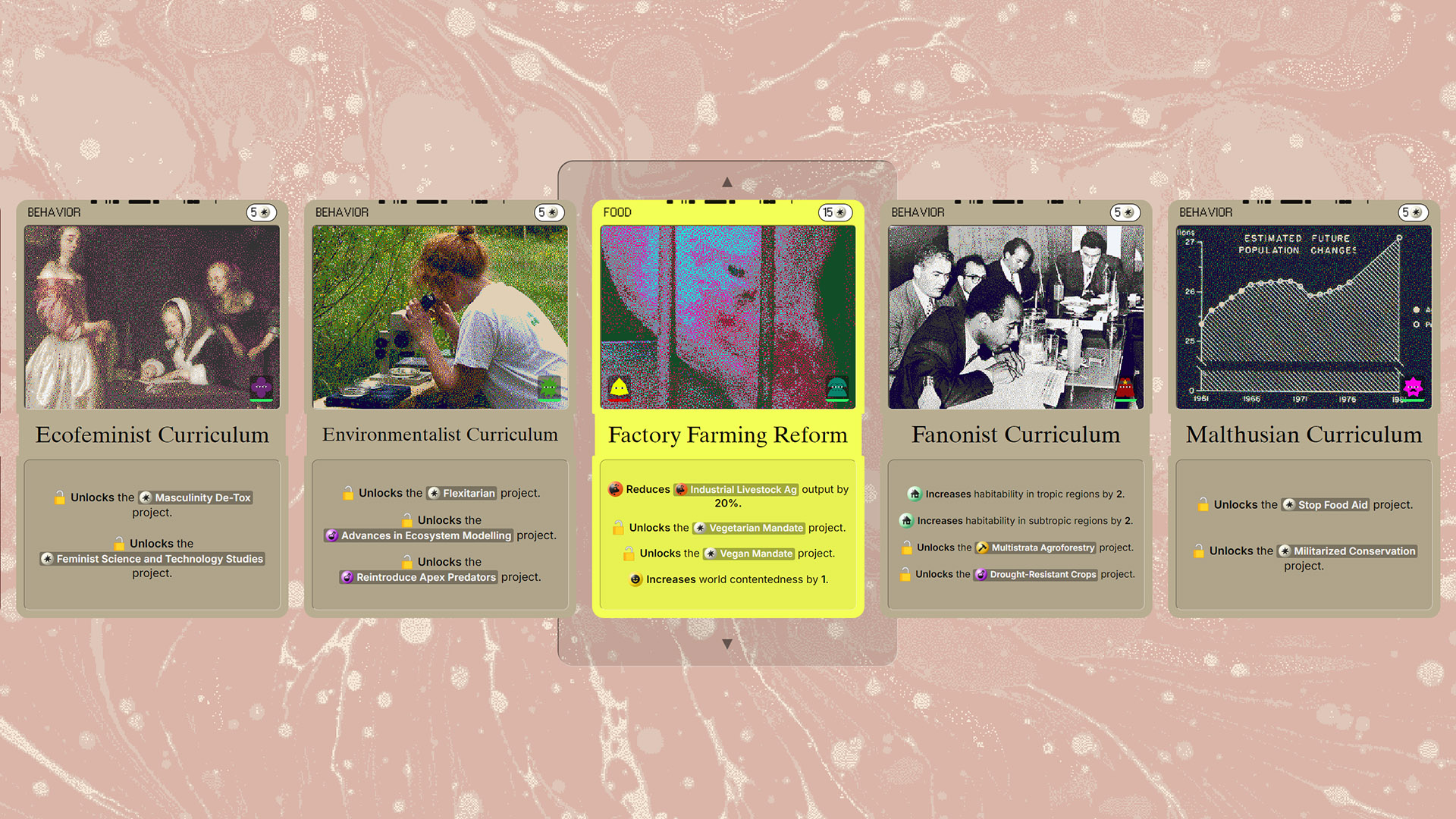
Tues, March 2: Eco-socialist Policy
Required readings to do by this class meeting:
- David Schwartzman, “Beyond Eco-Catastrophism: The Conditions for Solar Communism” (2017)
- Troy Vettese and Drew Pendergrass, Half-Earth Socialism (2022), Ch 4
Thurs, March 4: Concluding Horizons
No required reading
Fri, March 12
Final Project Final Draft Due
