by Isabella
SAIC ENG 1005-14: First-Year Seminar II
Avant-Garde Film and Video Art
Spring 2017
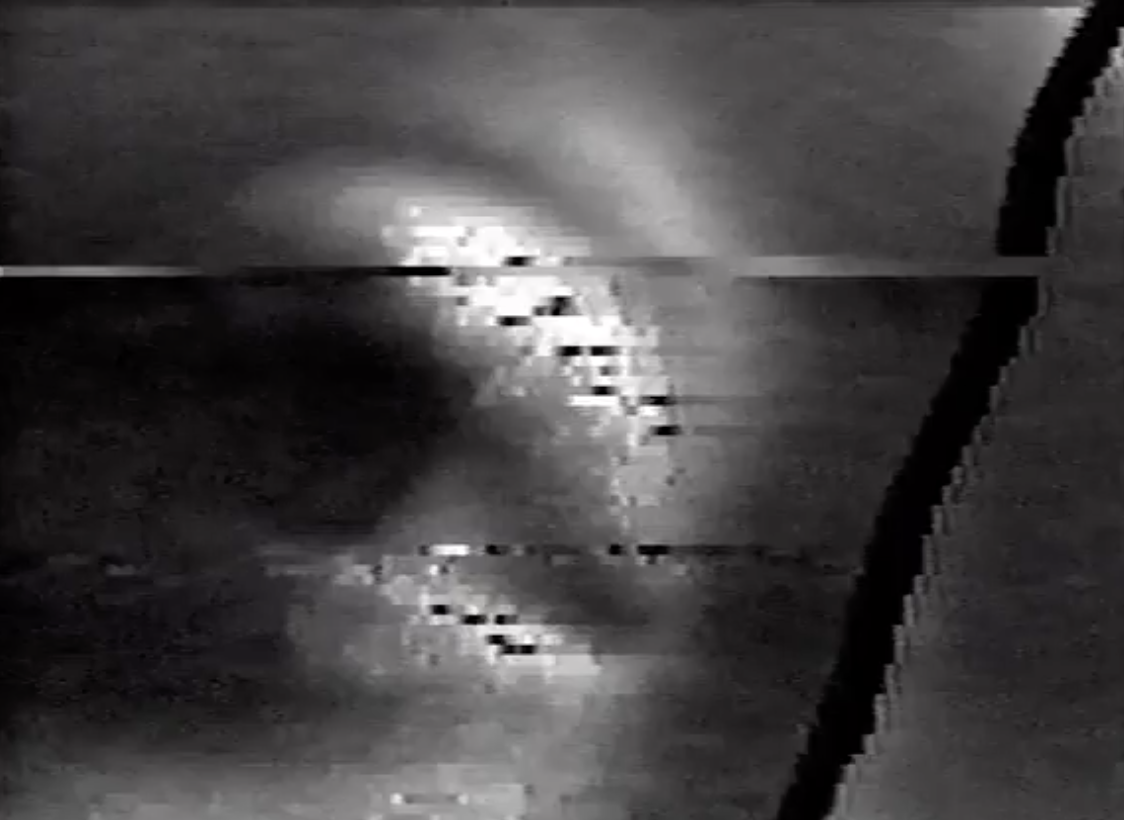
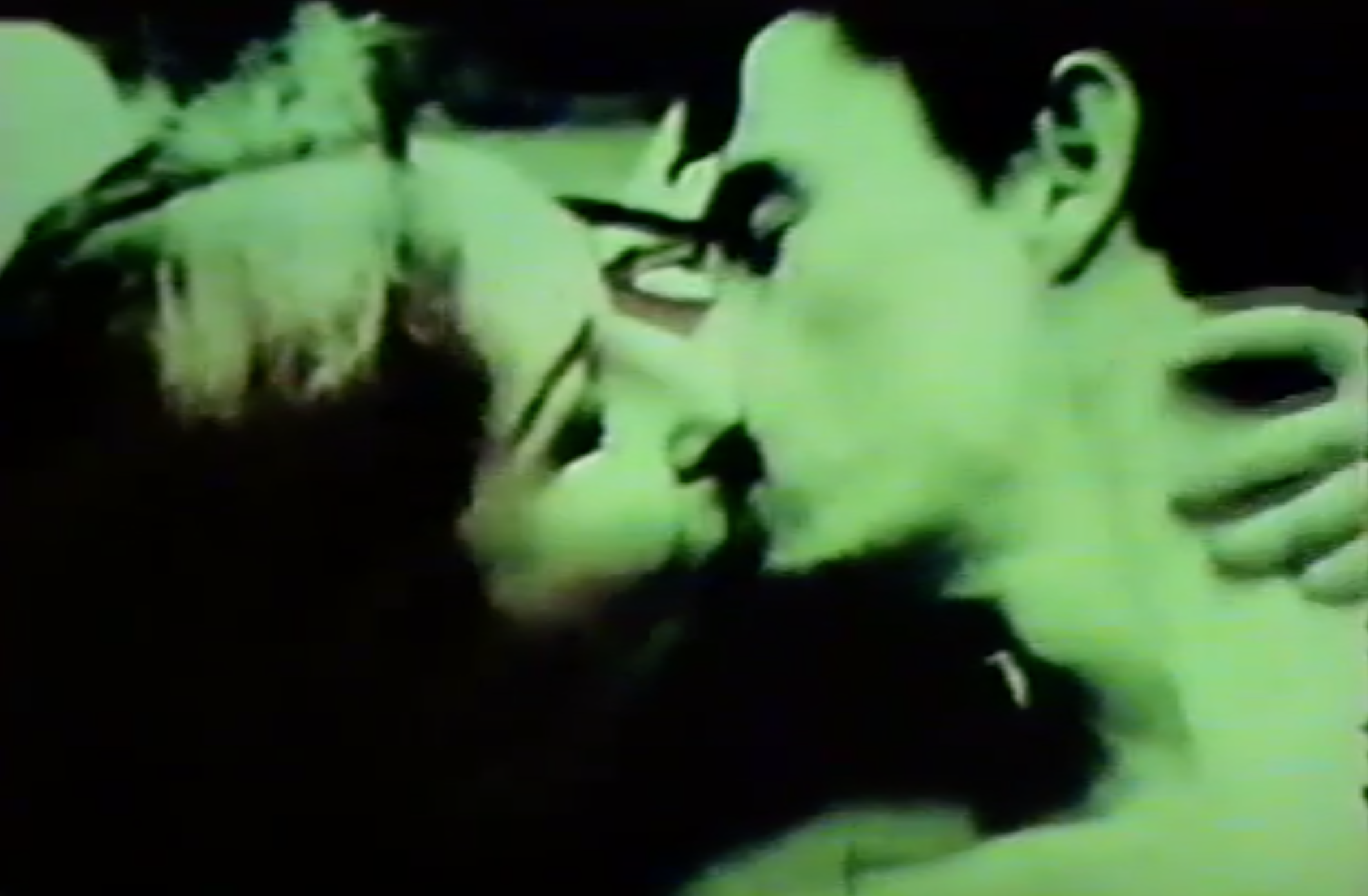
When discussing any piece of art it is very likely that the artist will become a part of the conversation. However, many artists do not wish this upon the viewer. The artist as a not to be acknowledged entity has been around long before avant-garde cinema. The male-dominated realm of avant-garde cinema participates in this trope and wishes for the work to speak for itself. However, when it comes to Carolee Schneemann you will find she comes attached with her work. In Fuses, her first of three films created in 1967, Schneemann inserts herself physically into the film by including shots of her having sex with James Tenney. The film also consists of close shots of her vulva and his penis, shots of her cat, them kissing, as well as the outdoors. It becomes very obvious why for many people Schneemann appears too connected to her art, and for this supposed reason she was rejected from the avant-garde cinema community. Scott McDonald shares his perspective on the reason men in avant-garde cinema shied away from Fuses, “In a culture where men still tend to be trained to deny their emotions, the assumption that the making of ‘serious’ art must involve detachment implicitly promotes art produced by males” (135). McDonald makes a good point about detachment as a product of the patriarchy, however, I do not see Schneemann’s marginalization as so polite. To me, this was just an excuse for dismissing a confident woman who has chosen to provide a reality many people have lost sight of. As a result of making men uncomfortable, Fuses was unfairly cast towards the genre of pornography. This begs the question, was Schneemann’s Fuses marginalized because it was not detached from its artist or because it was made by a woman who refuses to be a prisoner of sexual standards created by men?
Once Schneemann’s film is given a chance to be interpreted it becomes clear how Fuses easily transcends pornography. McDonald explains that it gives us a healthy measurement of “sexuality” between “real lovers”, which further emphasizes the “dramatization” of sex in “commercial cinema” as well as the “male-oriented fantasies” brought to life in most pornographies (135). It is obvious that a line can be drawn between Fuses and pornography but Schneemann intends the closeness to act as a criticism. Since unhealthy standards of sexuality are constantly shoved in our faces, I think giving us a healthy perspective of sexuality is an important aspect of Fuses. Although, I do not think it was Schneemann’s intent for her viewers to use it as a measuring tool. However, in contrast to other films that incorporate unrealistic standards about sex, it is simple to see that McDonald’s intent is to highlight the real sexuality displayed in the film. This context is part of what lifts Schneemann’s film to the level of avant-garde, but it also brings to light why she was rejected. Schneemann insisted on bringing to light how the male-gaze dominates sex culture, which in turn properly exposed the men of the cinema community.
What also brings Fuses to the level of the avant-garde is how visually it looks nothing like pornography. The dust and the coloring on the film speak specifically of the artist’s hand. The acknowledgment of the artist’s presence in the editing is key to appreciating the extent to which the film is demonstrating to the viewer that sex should be individualized and not a series of performative actions. A porn focuses on nothing but the visual fantasy, they wish to play it off as a reality, not something coordinated by a director and film crew and then edited by another set of people. Schneemann is giving us her reality in the shots and in her editing. She proves to the audience that there is no outside manipulation, thus making her critique of the fake realities of sexuality displayed in cinema even more effective. If she had used someone to play her would the film lose its earnest intent in showing that sex was a “psychic and physical exploration between lovers”? (McDonald 135) To me, if she were just behind the camera directing the male and female there would be no critique. Her inclusion in the film drags in the realness that is central to the context.
What is very intriguing about Fuses is the different kinds of responses it ignited from members outside of the avant-garde cinema community. McDonald explores this a bit in his interview with Schneemann, and we are informed that the reactions varied. There was plenty of controversies, the film made some men feel a sense of “wholeness” (141), others felt let down by the lack of “real” sexuality, and one woman was empowered by the idea that no one should be telling anyone what sex needs to be or means. This woman specifically, I think addressed Schneemann’s presence in Fuses very effectively, “‘The role model in the film is the fact that the filmmaker envisions her own life, and we should see it in that way’” (141). This is what Fuses demonstrates to me, that the intimacy of the film speaks only of sincerity between the two lovers. There is nothing commanding about the film; nothing that encourages the viewer to take notes.
Schneemann displays for us her sex life in order to refer to the unhealthy sexual standards most people are accustomed to seeing in cinema. I am sure the fact that Schneemann was so integrated into her own film made the men of avant-garde film uncomfortable for reasons McDonald explained; but what caused them to dismiss Schneemann was her commitment to real sexuality and the acknowledgment of the unrealistic standards of sexuality set by men in cinema. This marginalization was of course complemented by the general discrimination women face in film.
- Was Schneemann’s Fuses marginalized because it was not detached from its artist or because it was made by a woman who refuses to be a prisoner of sexual standards created by men?
- If she had used someone to play her would the film lose its earnest intent in showing that sex was a “psychic and physical exploration between lovers”? (McDonald 135)