-
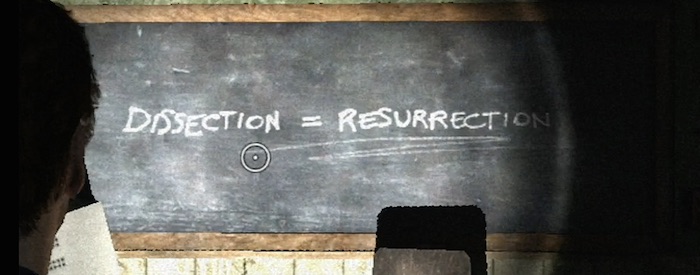 Continue reading →: Shattered Memories Scattered Thoughts, Pt 2
Ian here— Welcome to part 2 of a 2-part post on Silent Hill: Shattered Memories (Climax Studios, 2009). I’ll admit to a bit of wordplay here. In my first post, “scattered thoughts” referred to my own train of thought, since I’ll be the first to admit that my thoughts in that post weren’t guided by a…
-
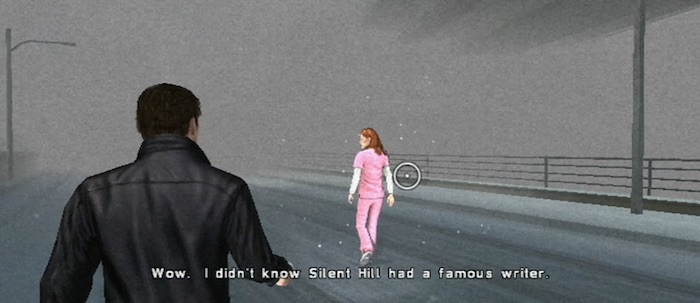 Continue reading →: Shattered Memories Scattered Thoughts, Pt 1
Ian here— It is 2016. Sam Barlow is widely appreciated today for revitalizing the full-motion video adventure game with HER STORY (2015). Why, then, return to Silent Hill: Shattered Memories (Climax Studios, 2009), which Barlow served as writer and lead designer of, which released seven years ago today? Am I prepared to claim that it is a lost…
-
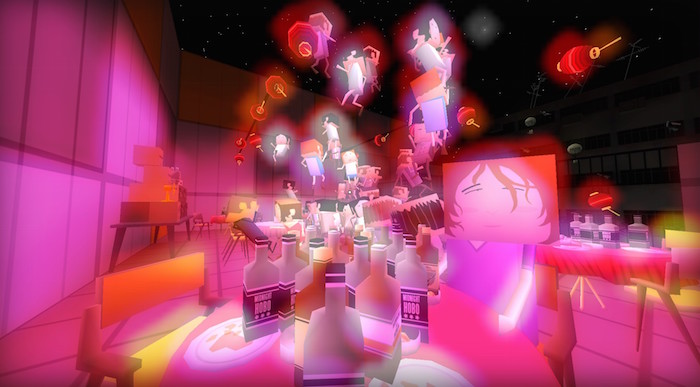 Continue reading →: Assignment: Brendon Chung’s Thirty Flights of Loving and Cinematic Language
Ian here— Playing like a pint-sized mashup of Wong Kar-wai’s Fallen Angels and Gaspar Noë’s Enter the Void, Bendon Chung’s Thirty Flights of Loving (Blendo Games, 2012) packs more scintillating and beguiling details about its characters and their world into its hallucinatory, hyper-concentrated ten minutes of gameplay than most games manage in 30 hours. Bootleggers, an airport,…
-
Continue reading →: Knowing More Than We Can Tell
Ian here— What follows are three quick case studies on a favorite topic of mine: the knowledge differential, or epistemic gap that can sometimes open up within the player-avatar relation. I find all three of them fascinating for the questions they raise about narration in videogames, as well as the alignment between player and player-character. What follows does…
-
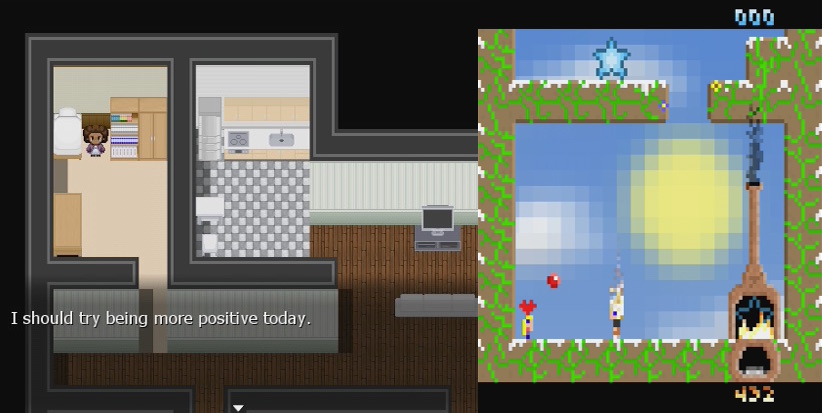 Continue reading →: Lesson Plan: Mattie Brice’s Mainichi and Jason Rohrer’s Gravitation
Ian here— Consider this another addendum, this time to my previous post on teaching the concept of procedural representation. These are two more of my favorite case studies to use for that topic—ones that, however, fall outside the designation of “games about squares.” As with the games outlined in my previous post, I teach these…
-
 Continue reading →: Lesson Plan: Film Scores Addendum
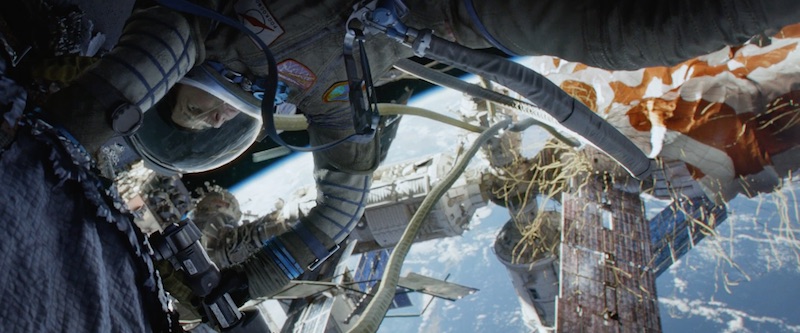
Ian here— This is just a quick addendum to my music-themed lesson on Alfonso Cuarón’s Gravity (2013) from my Intro to Film course, which I posted earlier. This bit doesn’t have as much to do with synesthesia, which is why I separated it out, but it is something that I incorporated into the same lesson.
-
 Continue reading →: Lesson Plan: Lying Narration in Cinema and Videogames
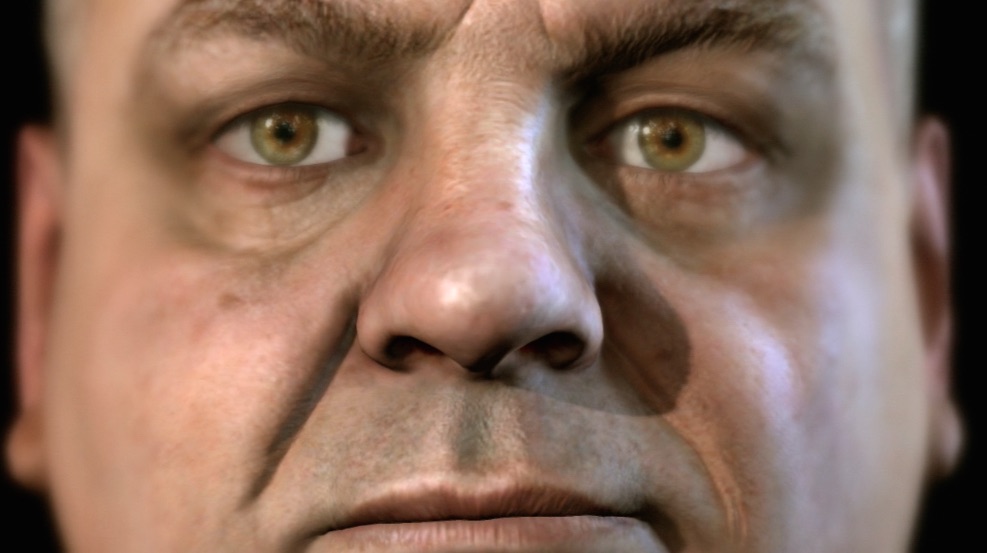
Ian here— In my 2013 “Comparative Media Poetics: Cinema and Videogames” course, I devoted a week to the genres of mystery and suspense. In this first class of this week, we discussed theory. Students read a portion of David Bordwell’s Narration in the Fiction Film, in which he discusses the concept of communicativeness of narration, and the specific ways communicativeness…
-
 Continue reading →: Lesson Plan: Popular Music, Gender Representation, and Media Effects
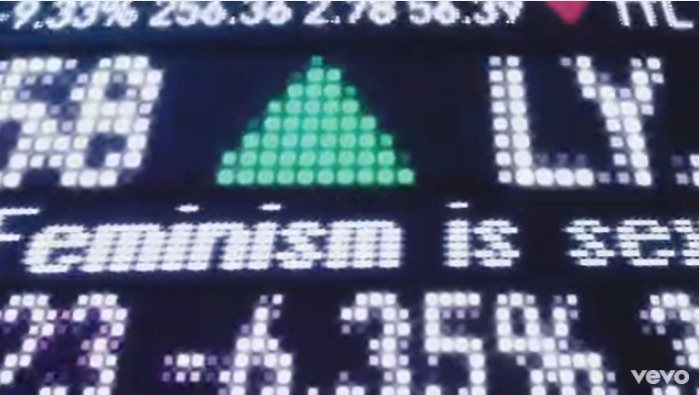
Ian here— For three quarters in a row, I used Stanley J. Baran’s Introduction to Mass Communication textbook for my Mass Communication course. However, during that time, I drifted away from assigning Baran’s chapter on media effects. I was very upfront to students about the reasons why: I find it dull, and dry. It provides a thorough…
-
 Continue reading →: Lesson Plan: Su Friedrich’s Sink or Swim
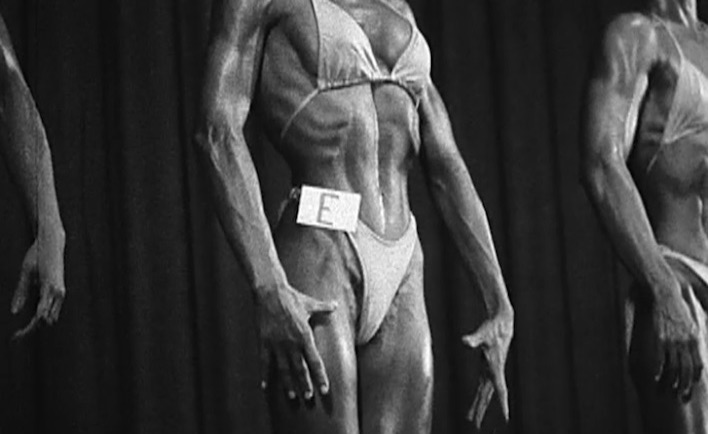
Ian here— Back on Halloween, I posted a fitting lesson plan. For Thanksgiving, I guess I’ll go with a perverse one. I taught Sink or Swim (Su Friedrich, 1990) in a week in my course “Avant-Garde Film and Video Art” devoted to the use of biography as argumentative grounds in film criticism. Since this course served as a writing…
-
 Continue reading →: Swimming in the Valley of the Moon
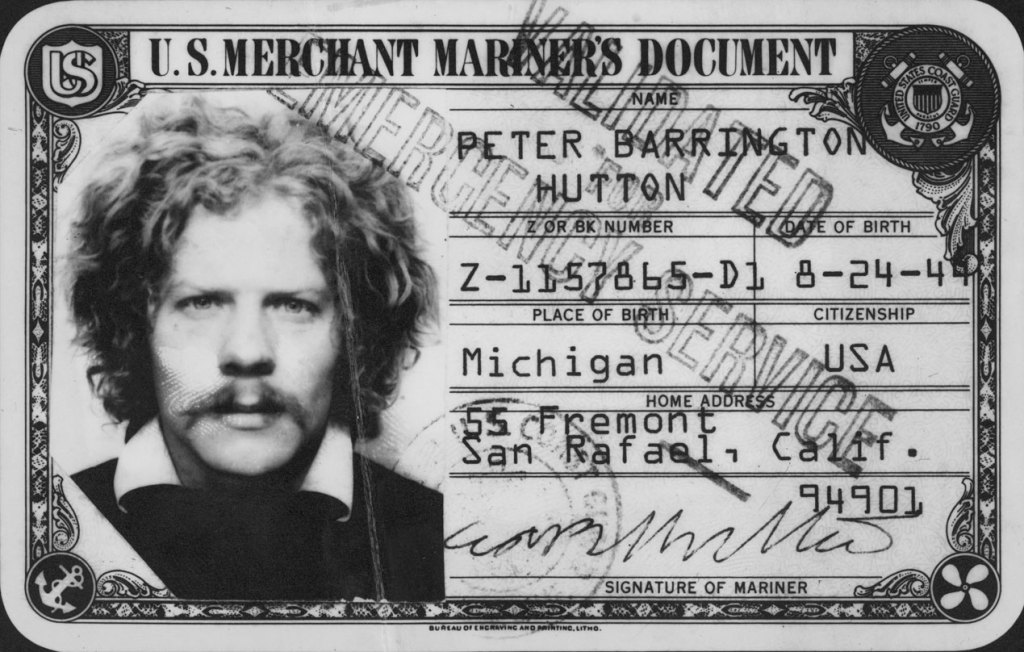
Ian here— Peter Hutton died on June 25, 2016. I could tell anecdotes here about having him for a professor across three courses at Bard College, about things he said to his students, places he took his students, and the impact he had on me as a young film student. I’ll spare you that, though,…
-
 Continue reading →: New Post Category: Critical Musings
When I first set up this blog, I intended it to be used for student projects. Over the last couple of months, I’ve been posting my own material with greater regularity: lesson plans, and the odd conference paper. I have enjoyed being able to share material in this way, and as of now I’m going…
-
 Continue reading →: The Emergence of the First-Person Body
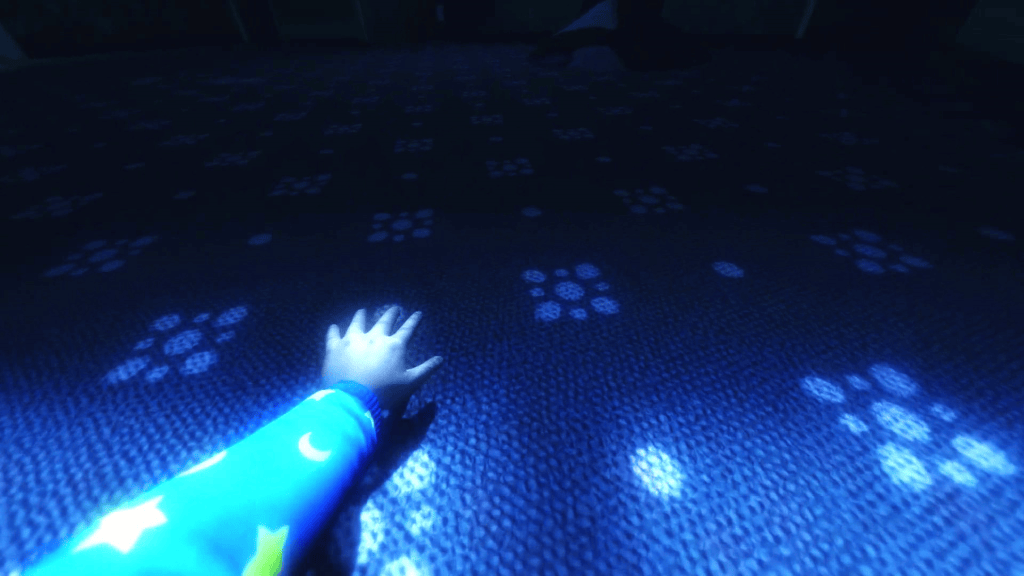
Ian here— What follows is my talk from the Society for Phenomenology and Media’s 2015 annual conference in San Diego, CA. Let us begin by cautiously approaching a looming term within the history of film theory: identification. It is a massive concept, one that has gained criticism over the past few decades due to this massiveness,…
-
 Continue reading →: Lesson Plan: The Politics of Punching in American Comedy
Ian here— Hoo, boy. Since November 9th, I’ve been coasting on lesson plan blog posts that I already had previously finished and scheduled. Now, here we are, with my first real “live” post since the 2016 election. In the coming months, many peoples’ lives will be disrupted more than mine, and it is on me…
-
 Continue reading →: Lesson Plan: You’re There. You’re a Square. Get Over It.
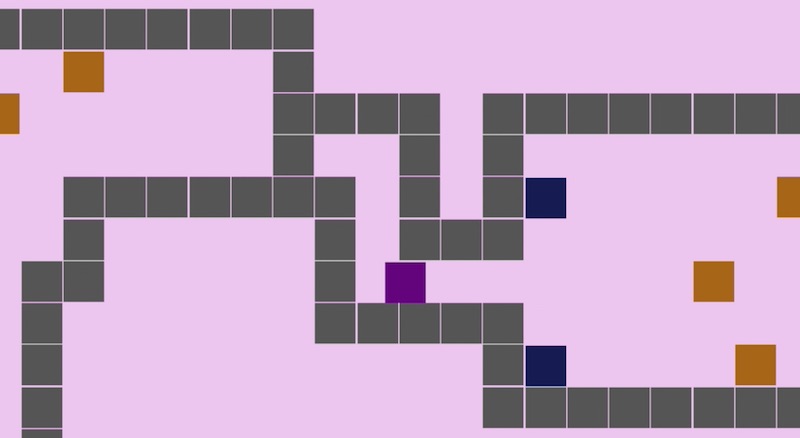
Ian here— The first time I taught a unit on the concept of procedural representation, it was in my course “The Moving and Interactive Image” at the School of the Art Institute of Chicago. The theme I wanted to explore that week was the limits of thinking about games as moving images, at all. Are there some games…
-
 Continue reading →: Lesson Plan: Peter Greenaway’s Vertical Features Remake
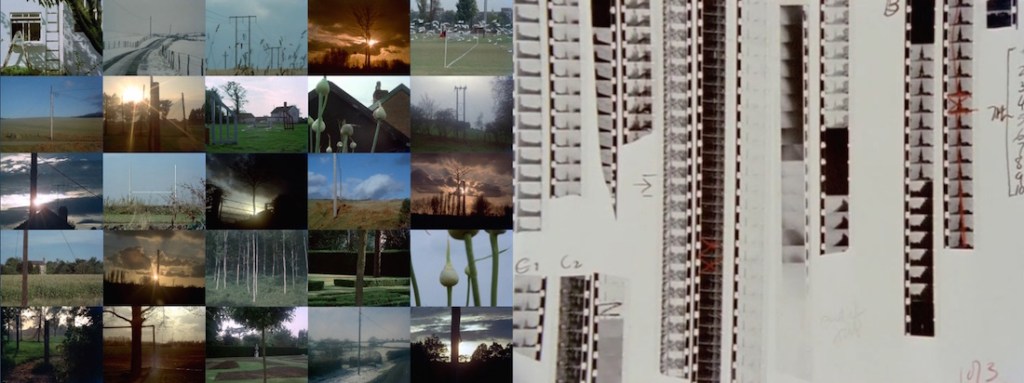
Ian here— This particular lesson came late in my “Avant-Garde Film and Video Art” course, late enough where it could act as a sort of a postscript on many of the movements we had talked about so far in the course. Thoughts on structural film, narrative, and theories of play below!
-
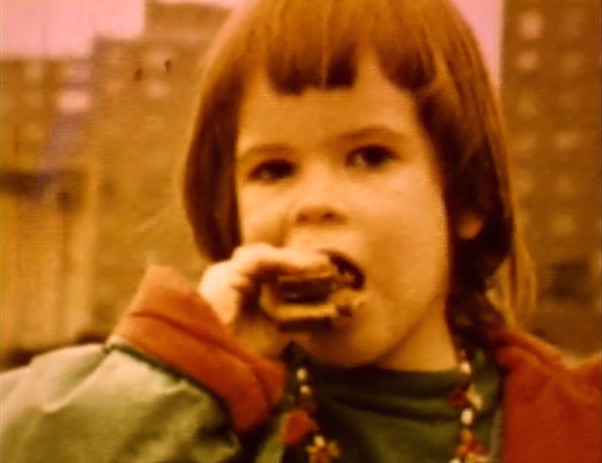 Continue reading →: Lesson Plan: Peggy Ahwesh’s Martina’s Playhouse
Ian here— What follows will be quick, because I did not spend an entire day on Martina’s Playhouse (1989) when I taught it in my “Avant-Garde Film and Video Art” course. It shared a day with Gunvor Nelson and Dorothy Wiley’s Schmeerguntz (1965) and Nelson’s My Name Is Oona (1969), for a week themed around parenthood. I assigned Ahwesh’s interview with Scott MacDonald…
