-
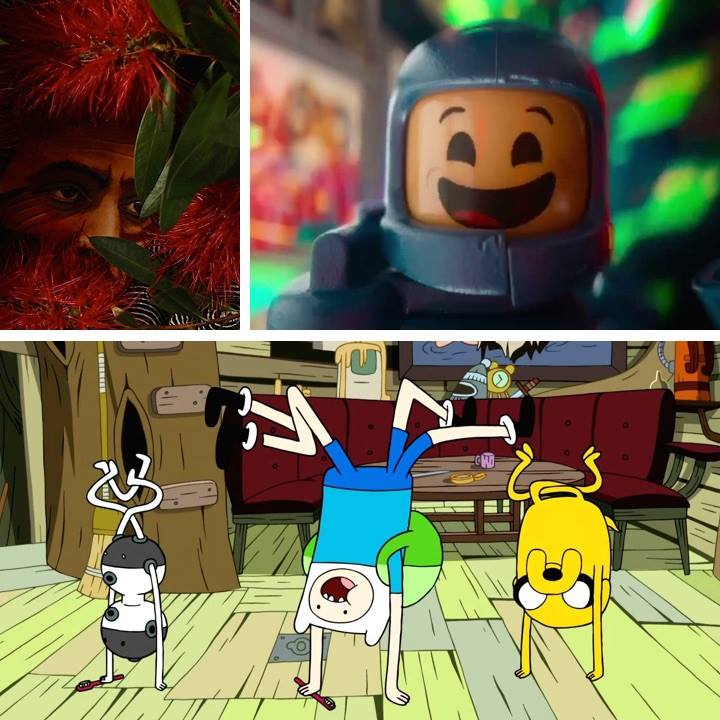 Continue reading →: Lesson Plan: Animation Week
Ian here— It is a shame to only teach one week on animation in an Intro to Film class, but I bowed to departmental tradition when I taught Intro to Film in spring 2015 and devoted only my final week of class to it. My screening for this week included Hummingbird Wars (Janie Geiser, 2014), Adventure Time S1E6, “The Jiggler”…
-
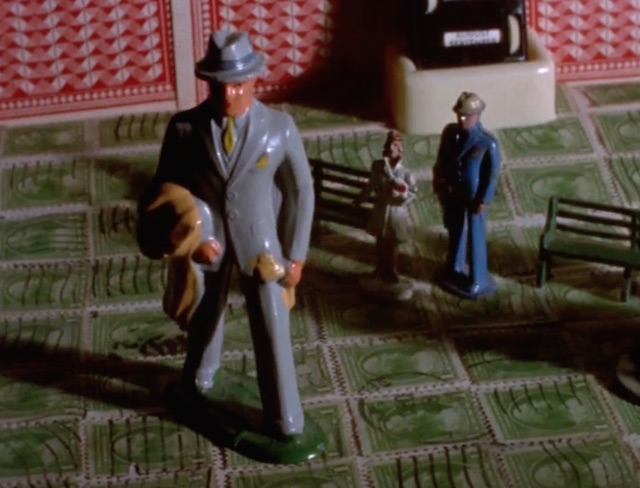 Continue reading →: Two Lesson Plans on Childhood and the Found
Ian here— I have decided to collect two lessons together in this post, since they have a similar scope. The first lesson is a guest lecture I gave when I was a teaching assistant for Tom Gunning’s winter 2015 course “The Post-war American Avant-Garde Film” at the University of Chicago. This lecture followed a screening of…
-
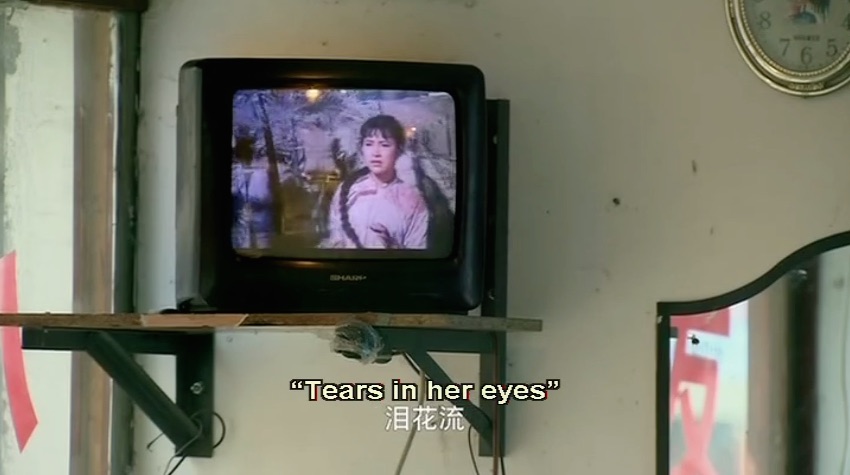 Continue reading →: Lesson Plan: Irony and Lies, pt 2
Ian here— Here’s the second week in my “Ironic Narration and Lying Photographs” section for my course “Moving Images and Arguments.” Below the fold: Mitchell Block’s …no lies (1973), Luis Buñuel’s Land without Bread (1933), and Jia Zhanke’s 24 City (2008). Let the beguilement commence!
-
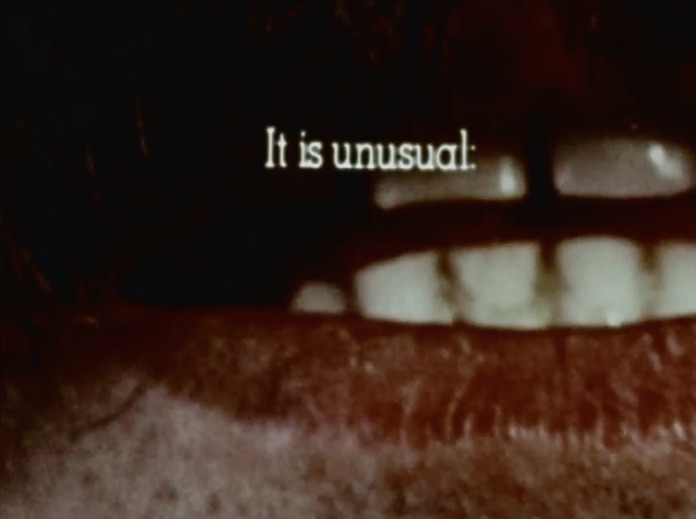 Continue reading →: Lesson Plan: Irony and Lies in Photography and Cinema, pt 1
Ian here— In my fall 2016 course “Moving Images and Arguments,” a survey of rhetorical techniques across cinema (including plenty of documentaries and essay films), video art, and videogames, I devoted two separate class sessions to the theme of “Ironic Narration and Lying Photographs.” What follows is the first. (I’ll be posting the second later.) One…
-
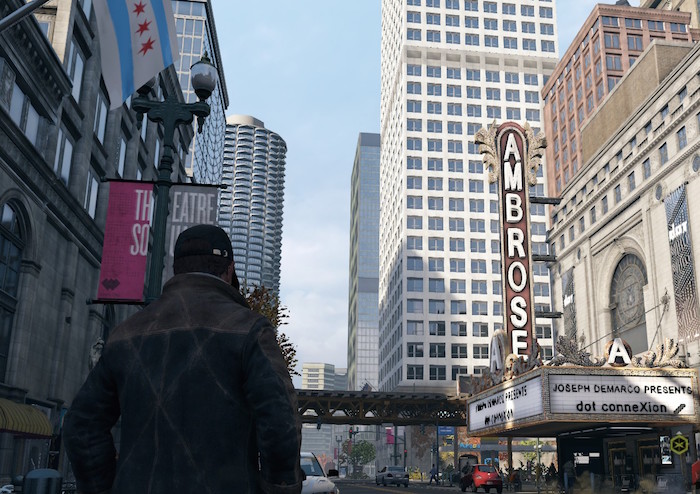 Continue reading →: Gaming’s Midway Point: Games and Game Culture in Chicago at SCMS 2017
I am very happy to announce that the panel I organized, “Gaming’s Midway Point: Games and Game Culture in Chicago,” has been accepted into the Society for Cinema and Media Studies’ 2017 annual conference in Chicago, IL. The panel includes papers by Chris Carloy, Julianne Grasso, and Daniel Johnson. Abstract below the fold:
-
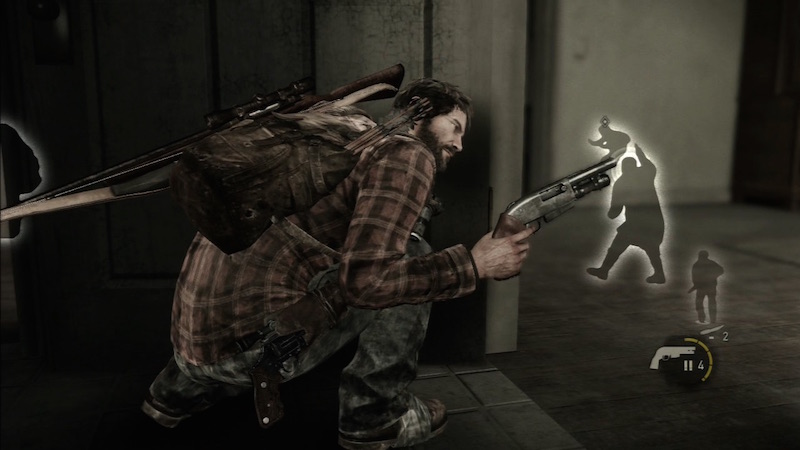 Continue reading →: Mapping the Synesthetic Interface
Ian here— The following is the spoken presentation version of my talk from DiGRA’s 2014 conference in Snowbird, UT. The full paper, as drafted up for the conference’s proceedings, is available here. You can follow along with the visual presentation for this spoken version here. Today, I’d like to address a cluster of game user interface design options…
-
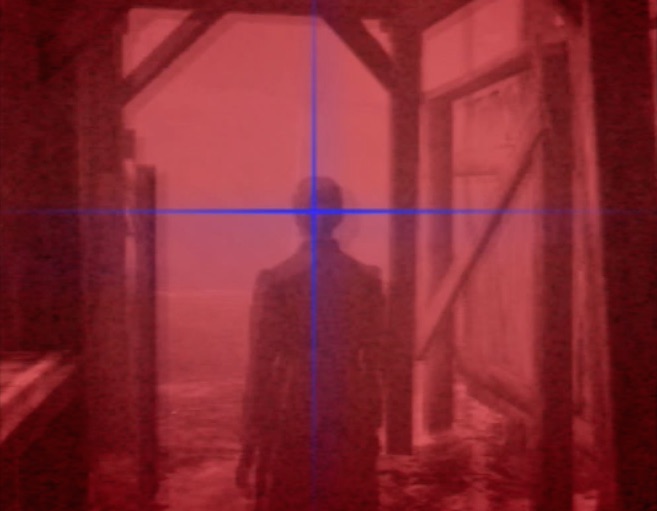 Continue reading →: Lesson Plan: Horror, Paranoia, and Suspense in Cinema and Videogames
Ian here— The following is a lesson plan that I first used in my “Comparative Media Poetics: Cinema and Videogames” course taught at U Chicago in spring 2013. It didn’t really come into its own, however, until I re-taught some of the same material, with much greater success, in my course “The Moving and Interactive Image” at the School…
-
 Continue reading →: Lesson Plan: The Uncanny Valley
Ian here— Week 7 of the “Image” section of the U Chicago Humanities Core course “Media Aesthetics” is devoted to Freud’s essay on the uncanny. It’s a tough week: students have to work through the usual trickiness of disentangling Freud’s ideas from the ideas he cites from Ernst Jentsch, and, on top of this, the week has to…
-
 Continue reading →: Lesson Plan: Marlon Riggs’ Tongues Untied
Ian here— In the spring of 2016, I taught two concurrent sections of a seminar on Avant-Garde Film and Video Art at the School of the Art Institute of Chicago. When I tallied up the 25 final papers across my two sections, I received two papers on Maya Deren’s Meshes of the Afternoon (1943), two papers on Stan Brakhage’s The Act of…
-
 Continue reading →: Lesson Plan: Skill, Perception, and Epiphany across Cinema and Videogames
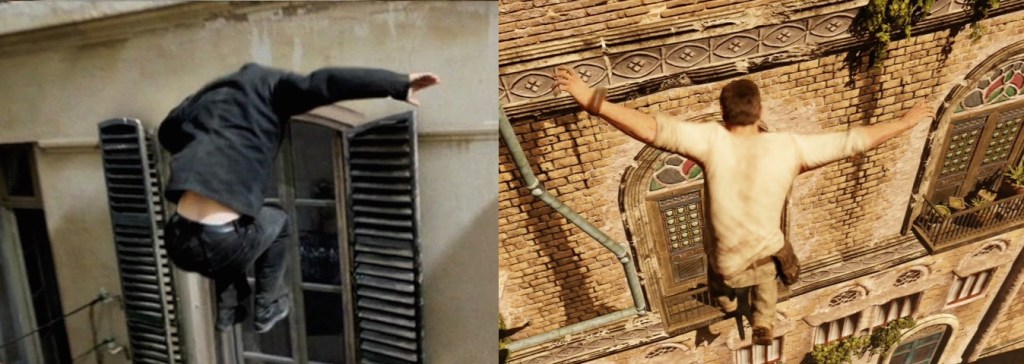
Ian here— What follows is a lesson from my 2013 course “Comparative Media Poetics: Cinema and Videogames” at taught U Chicago. On the docket for this week: displays of intelligence and expertise in cinema (from Buster Keaton films to contemporary action cinema), and the ways in which the needs for interactivity force a very different visual style…
-
 Continue reading →: Special Effectivities: On the Intersection of Spatial Knowledge and Bodily Skill
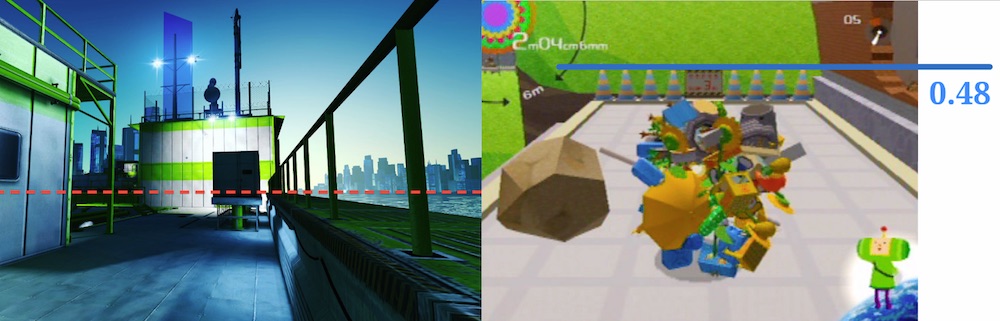
Ian here— The following is the spoken presentation version of my talk from the 2013 Philosophy of Computer Games conference in Bergen, Norway. The full paper, as drafted up for the conference’s proceedings, is available here. You can follow along with the visual presentation for this spoken version here. Over the past decade, the term “affordances” has nestled itself…
-
 Continue reading →: Lesson Plan: Buster Keaton’s The General
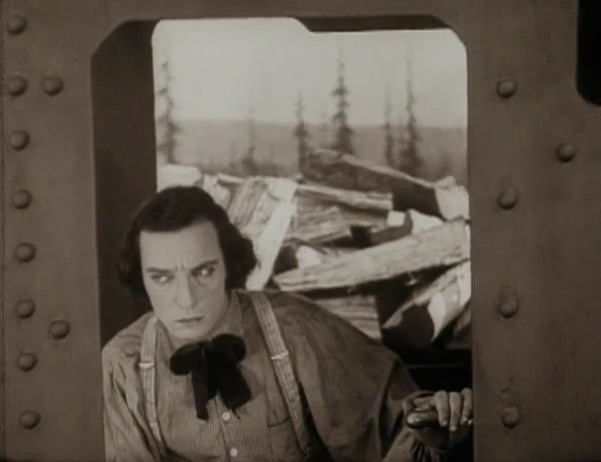
Ian here— This is another lesson plan from my “Comedy and the Moving Image” course. It’s from the week immediately following the previously-posted week on Bergson’s Laughter, and it follows up several of those ideas, merging with Bergson with the theories of Keaton’s humor forwarded by Noël Carroll in his book Comedy Incarnate: Buster Keaton, Physical Humor…
-
 Continue reading →: Lesson Plan: Henri Bergson’s Theory of Humor
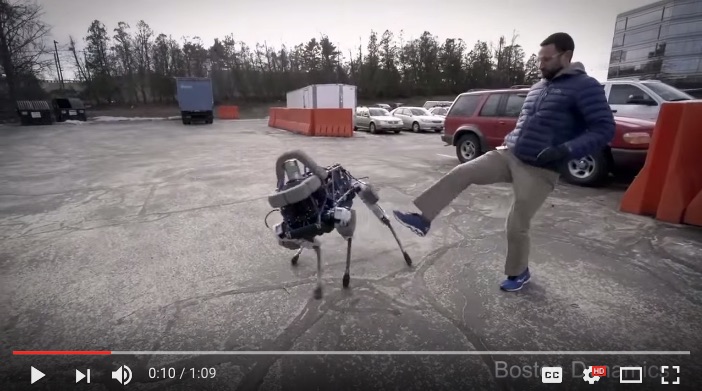
Ian here— The following is a lesson plan for a day spent discussing Henri Bergson’s theory of humor in my course “Comedy and the Moving Image.”[i] It’s admittedly unusual, but I found it to be wonderfully productive. The first third or so of this course was spent discussing some major philosophical theories of humor (Hobbes, Kant, Bergson) and…
-
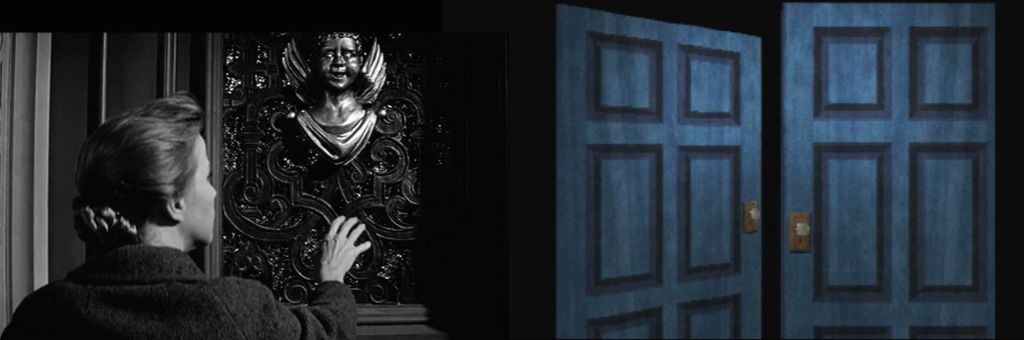 Continue reading →: Lesson Plan: The Visual Language of Survival Horror
Ian here— What follows is a two-part post, combining lesson plans from two separate days of my course “Comparative Media Poetics: Cinema and Videogames.” The learning objectives for the course centered around three main analytical questions, which animated the course and which students were expected to respond to in their written assignments. When looking at a given…
-
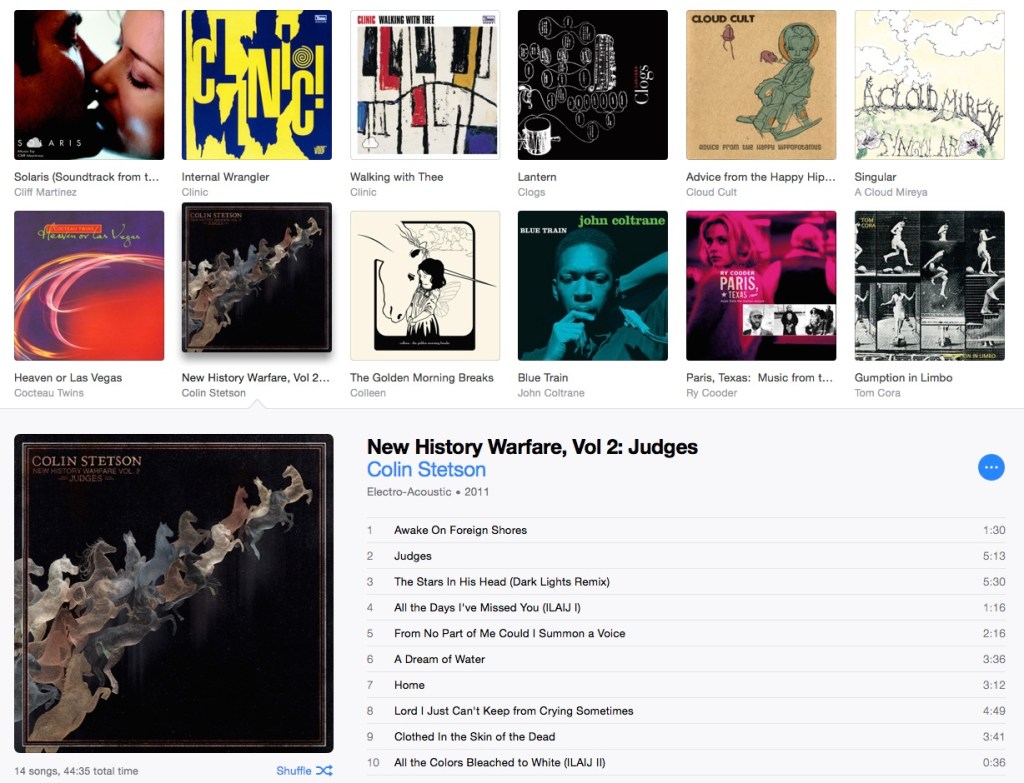 Continue reading →: Lesson Plan: Music Formats, Music Listening Practices
Ian here— The following is a lesson plan I used for one day on popular music in my “Introduction to Mass Communication” course at DePaul University. I first incorporated it into my syllabus for the winter 2016 quarter, and refined it some for my spring 2016 section of the class. The overarching theme I try…
-
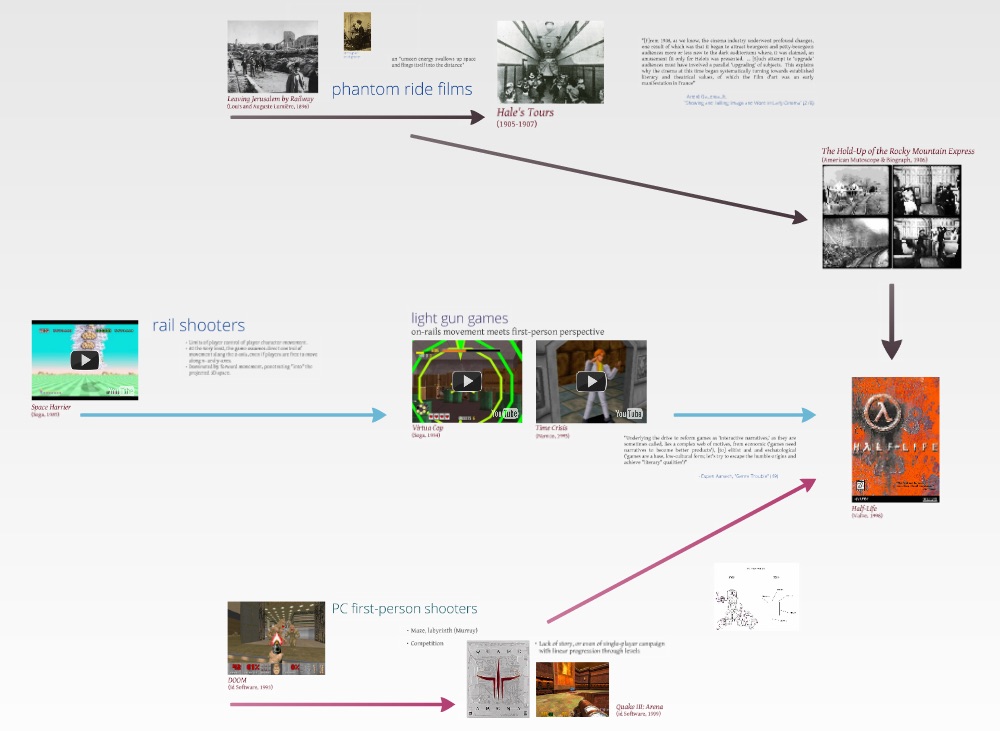 Continue reading →: Lesson Plan: Point of View, Staging, and Guidance in Cinema & Videogames
Ian here— What follows is a two-part post, combining lesson plans from two separate days of my course “Comparative Media Poetics: Cinema and Videogames,” which together formed a week I referred to on the syllabus as “Point of View, Staging, and Guidance.” There are many different entrance points for a class organized around the relationship…
