-
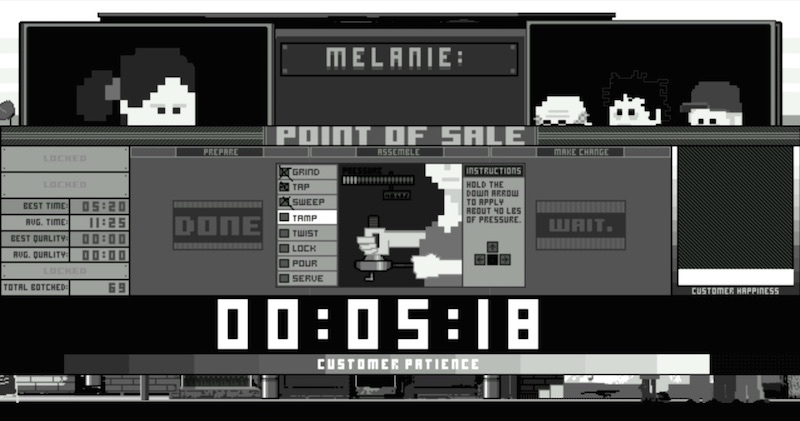 Continue reading →: The Process Genre in Videogames: Cart Life
Ian here— This post is part of a series that borrows the term process genre from Salomé Aguilera Skvirsky’s work in cinema studies, and explores its utility for videogame analysis. A quick definition: “process genre” films are films about labor, films that focus on processes of doing and making, that are fascinated with seeing tasks through to their completion. They are…
-
 Continue reading →: Janie Geiser’s Flowers of the Sky
Ian here— Any occasion to see a new film by Janie Geiser is a happy one, but I am especially lucky in that the context in which I saw Flowers of the Sky (2016) was during the inaugural screening of “Troubling the Image,” a series of recent (or recently-restored) avant-garde/experimental films being put on at the University of…
-
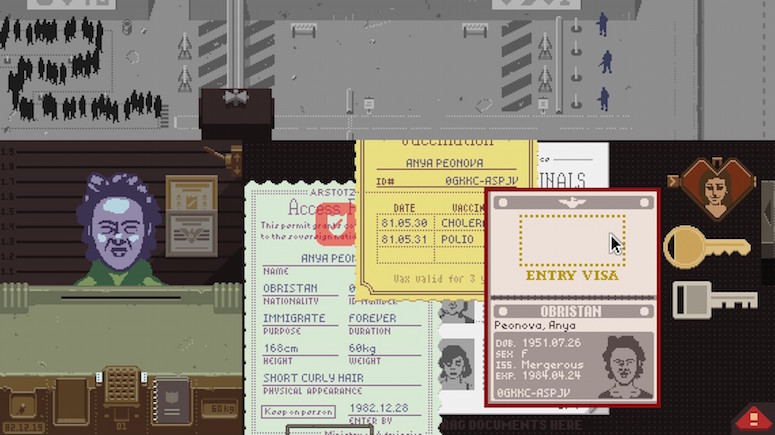 Continue reading →: The Process Genre in Videogames: Papers, Please
Ian here— This post is part of a series that borrows the term process genre from Salomé Aguilera Skvirsky’s work in cinema studies, and explores its utility for videogame analysis. A quick definition: “process genre” films are films about labor, films that focus on processes of doing and making, that are fascinated with seeing tasks through to their completion. They are…
-
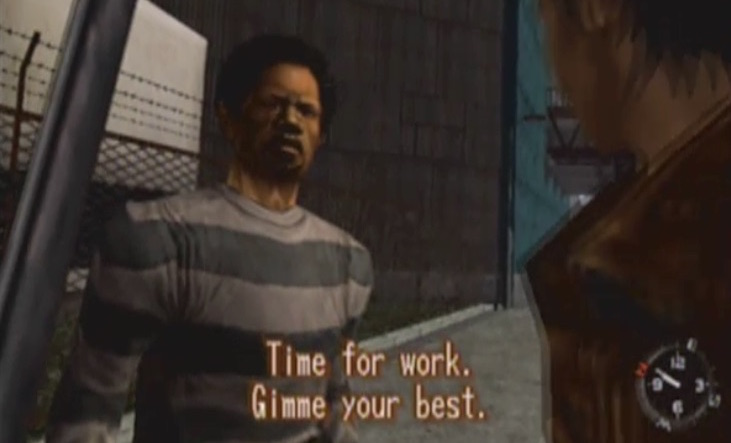 Continue reading →: Series: The Process Genre in Videogames
Ian here— This post inaugurates a series of posts, of as-yet indeterminate length. All of them riff on a term developed by Salomé Aguilera Skvirsky, a scholar who I’ve had the privilege of knowing (if only on a casual basis) the past few years. The term in question is the “process genre.” Films in the process…
-
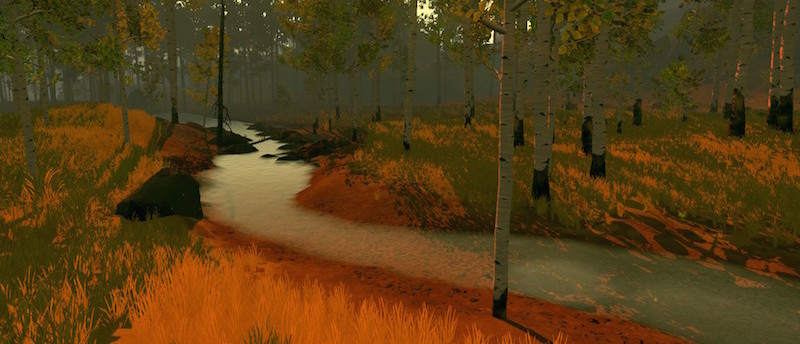 Continue reading →: Stream Pools: Space and Narrative Pacing in Games
Ian here— I spent the first week of 2017 catching up on things I hadn’t played from 2016. But all play and no work makes Ian a dull boy, so it’s time to get back to writing, even if it’s of the casual sort. Fair warning: In this post I’m going to dip into some…
-
 Continue reading →: whoami: 2016 Edition
Ian here— So, I’ve been struck by a fit of mania. Although it’s an arbitrary gesture, I am determined to write up a few of my thoughts on some more interesting games of 2016 before midnight strikes and the calendar year ends. Below the fold: three games from the past year that do interesting things with perspective, embodiment, and intersubjectivity.…
-
 Continue reading →: whoami
Ian here— For those of you who aren’t in the know, “whoami” is a command that was first implemented in Unix-based systems, allowing the user to see what account, with which types of access, they are currently recognized by the machine as being logged in under. This post offers two quick takes on two games. (They…
-
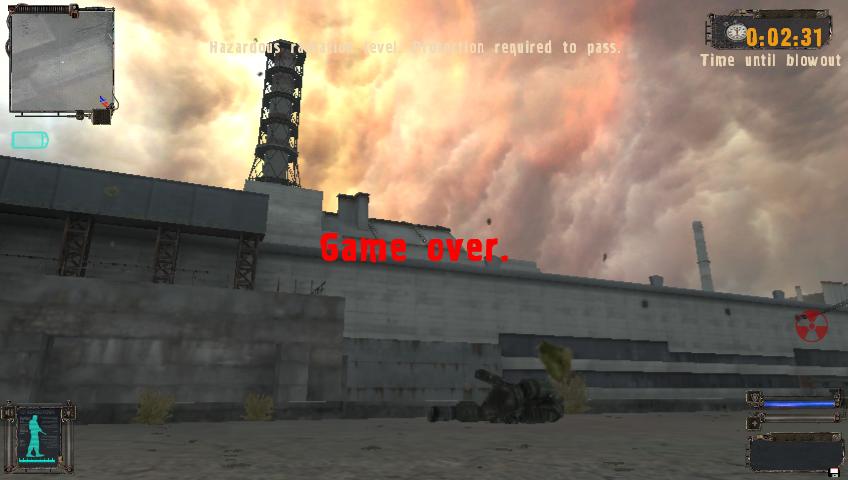 Continue reading →: A Zone Is a Zone Is a Zone: Narrativization in the Digitized Remnants of Chernobyl (A Journal)
Ian here— What follows is an essay I wrote in 2007, one of the first things I ever wrote on the topic of videogames. I originally intended it to be an alumni submission to the Bard College Journal of the Moving Image. That publication, however—which I had previously been an editor of—had fallen on some hard times in…
-
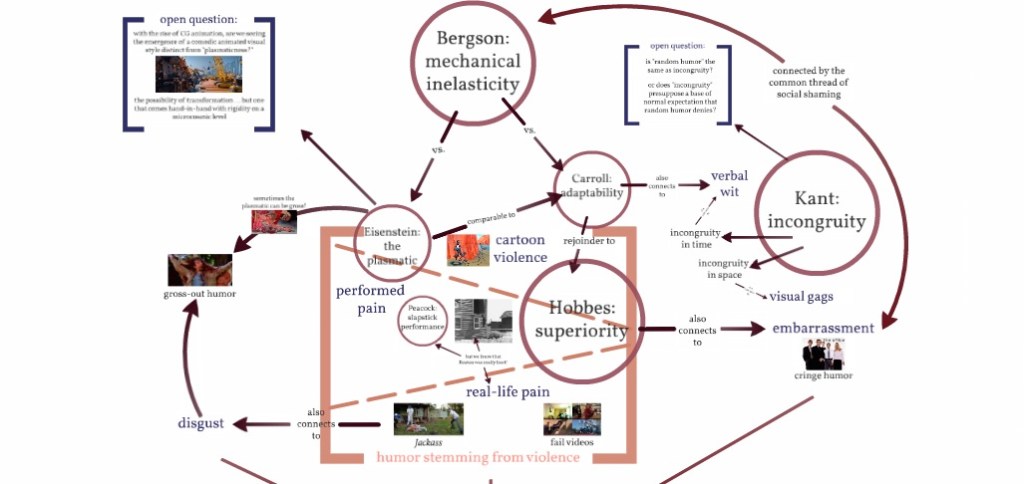 Continue reading →: Postmortem: Comedy and the Moving Image
Ian here— Grades for the School of the Art Institute of Chicago’s Fall 2016 semester were due today, and I wanted to take the occasion to do a quick postmortem on “Comedy and the Moving Image,” which I consider to be the most successful course I taught this term—as well as one of my most…
-
 Continue reading →: Off Menus
r Ian here— Ah, the game menu. So often in PC games, it is accessed by hitting the “esc” key, and so often it is just that: an escape from the pressures of the game. A place where players can put things on pause, and can retreat into a familiar suite of low-pressure activities. Saving.…
-
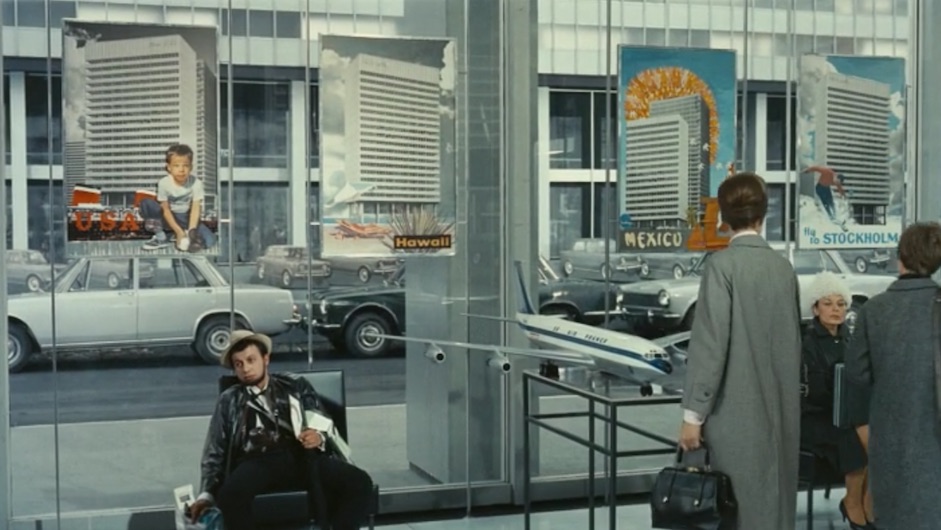 Continue reading →: Five Ways to Look Smart while Teaching PlayTime
Ian here— So, this isn’t a proper lesson plan. It’s just a quick cheat sheet. When teaching PlayTime, I pair it with Kristin Thompson’s chapter “Play Time: Comedy n the Edge of Perception” in her book Breaking the Glass Armor. (I consider myself incredibly lucky that I can pair one of my favorite films with a piece of…
-
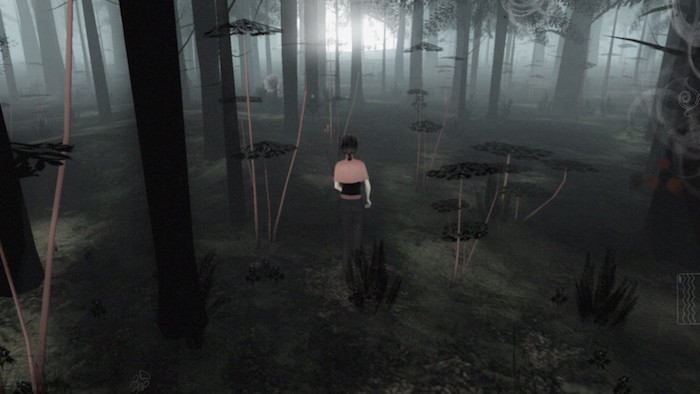 Continue reading →: Assignment: Getting Lost in a Movie … Getting Lost in a Videogame
Ian here— The following is the assignment description for a three-page comparative gameplay experience reflection that I assigned students at about the halfway point of my course “Comparative Media Poetics: Cinema and Videogames.” The theme of this particular week was “Emotion and Identification,” with an emphasis on the differences in both of these things across cinema and games.…
-
 Continue reading →: Lesson Plan: Net Neutrality
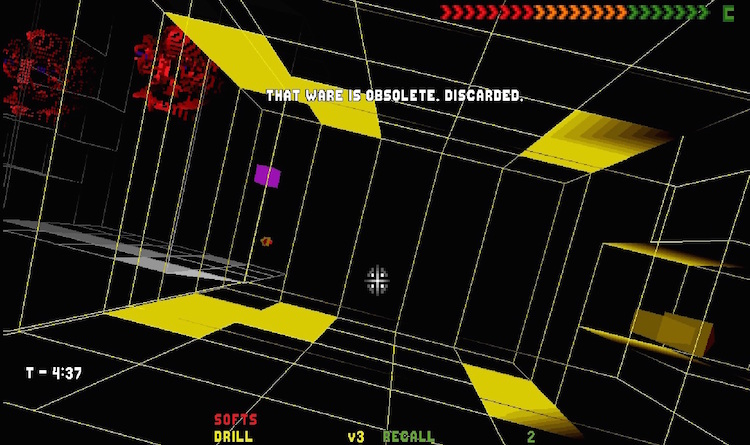
Ian here— Well, unlike other lessons I could name, this particular lesson plan wasn’t disrupted in real-time by the incoming Trump administration. But it will certainly be different if I ever teach it for an Intro to Mass Communication course again. Let’s be clear: net neutrality is dead, dead, dead. There were already reasons to be worried given AT&T’s…
-
 Continue reading →: Lesson Plan: Harun Farocki’s Parallels I–IV
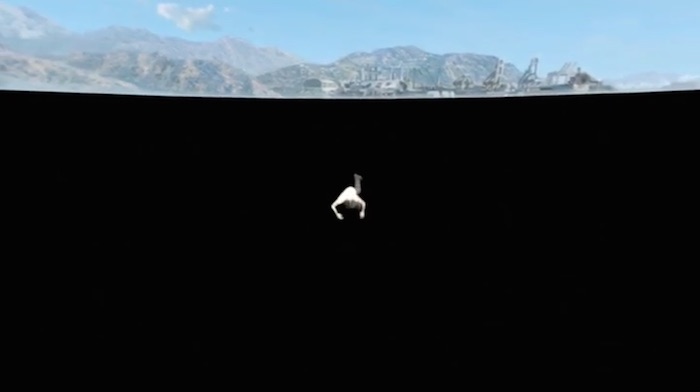
Ian here— So, a disclaimer: This is not a lesson plan, not precisely. I did in fact teach Harun Farocki’s Parallels series for the final class session for my SAIC writing seminar “Moving Images and Arguments.” But since it was the final class, and since we were in a phase of the course in which my…
-
 Continue reading →: Lesson Plan: Sadism, Identification, Comedy, Videogames
Ian here— One of my primary reasons for designing my course “Comedy and the Moving Image” for the School of the Art Institute of Chicago’s first-year seminar sequence was to give myself an opportunity to expand my knowledge base on comedy beyond the research I had done for my article on comedic videogames. The class gave me…
-
 Continue reading →: Two Lessons on André Bazin’s “Ontology of the Photographic Image”
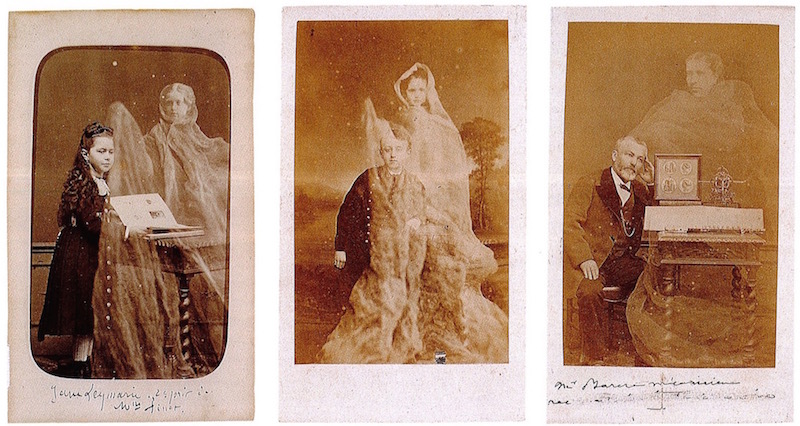
Ian here— I have taught André Bazin’s essay “Ontology of the Photographic Image” in two very different contexts: once in the “Image” portion of the University of Chicago’s Media Aesthetics sequence in their Humanities Core, and once in a writing seminar at the School of the Art Institute of Chicago entitled “Moving Images and Arguments,”…
