by Braden H
University of Chicago MADD 14920: Comparative Media Poetics – Horror
Autumn 2022
Inscryption is a very unique game. It found a way to make a found footage horror/haunted media/card game hybrid that’s both mechanically and narratively fascinating. In this post, I’ll be diving into the horror of Inscryption as expressed through its mechanics. And as a structural note, I’m going to be primarily talking about the game’s first act, as the game’s 3 acts are very different both mechanically and narratively. I will be discussing act 3 to an extent near the end, but to cover the game’s entire story and mechanics in a satisfactory, holistic manner would take a whole lot more words than 1 blog post’s worth.
The Basics
In Inscryption, you’re trapped in a cabin in the woods, forced to play a card game against a mysterious, shadowed arbiter. You travel across an ever-unfurling map on the table, building your deck and upgrading your cards. Cards have blood costs, usually between 1 and 3. This is the game’s most immediate gimmick beyond its genre. To get blood, you must sacrifice squirrels, the game’s only readily-available free card. Thankfully, the corpse-blood exchange rate is 1:1. Inscryption’s battle win condition is also unique. In most other card games like it, your goal is to deal a net number of damage to your opponent (often 20). In Inscryption, you need to deal a net total of 5 more damage than your opponent has done to you. Every point adds a tooth (yes, a human tooth) to a scale next to the board. Swing it 5 in your favor and you win.
There are a number of different relative items and systems also worth discussing for the topic of mechanic horror. The most relevant are pliers. If you use pliers, you get an extra tooth added to the scale for you. Of course, to obtain this tooth, you must retrieve it from your own mouth, shown in a gruesome first-person fashion. The knife, an item you get near the middle of the first act, is even more powerful ‒ it allows you to instantly win any single round of your choosing by putting a human eye on the scale. You can imagine where that eye comes from. Beyond these consumable items, there are also events on the map you can choose to engage with. You can come across campfires surrounded by hungry adventurers. You can warm a card by the fire to enhance its power, but the longer you keep it there, the higher the risk you run of the adventurers losing their patience and devouring it. There are also mycelium surgeons, who will happily cut two of the same card (2 grizzly bears, for example) both in half, stitching them together and combining their power.
Horror as Mechanic and Player Reactions
Inscryption is very different from most horror games. In most horror games, including many discussed by other students on this blog, you as the player are surrounded by horror. The game may be scary and atmospheric, but the gameplay is nearly always sneaking around, shooting guns, hunting for keys, solving puzzles, taking pictures or some other non-fantastical task. In Inscryption, meanwhile, you are a direct participant in the horror, and more interestingly, much of it is optional. Even if you never die in your playthrough besides functionally-scripted deaths (as I did, not to flex but entirely to flex), you necessarily sacrifice dozens of squirrels, and using the knife at least once is required to beat the game as well. But using the pliers on yourself, risking cards to starving adventurers or handing them over for brutal experiments? Those are actions you choose to perform.
In a discussion, I asked other students if these actions lost their horror or became second nature over time. Every student who played the game admitted that they did, because of course they did. By the 8th time you use the pliers on yourself, you’re not even considering the action anymore ‒ just its strategic implications for winning the fight. I then asked if they thought the repetition trivialized or contributed to the atmosphere. Interestingly, they said it contributed. One student was put off by these mechanics at first enough that she chose not to use them. But over time and as she kept losing, she forced herself to engage in the horror, and began using the pliers, knife, etc. Even if the mechanics individually lost their bite over time, the decision of whether or not to use them, and her eventual capitulation to optimal play, hung over her for the rest of her playthrough, contributing to the atmosphere.
A different student had a similar experience grappling with the repetition and cyclical nature of Inscryption and its mechanics. There is a mechanic where when you die, you pull stats from many of the cards in your deck to create a “player card” that you can then find in future runs. This student, when she realized she probably wasn’t winning the whole campaign in a particular run, would choose cards she otherwise wouldn’t in the hopes of their specific stats getting put into that run’s player card. However, she was mortified when, in the final boss of the act, some of those player cards came back… in her opponent’s deck.
This is a different kind of mechanic horror, a more longform action-consequence dynamic that builds up over an entire playthrough of Inscryption‘s first act. Many students expected to see this kind of consequence come from squirrel sacrifices or pulling out so many teeth from their heads. However, Inscryption is a little more clever than that. The consequence of engaging with those mechanics, which is inherently horrific, is simply to witness that horror. However, the face card system seems tame at face value, making it the perfect target for the endgame twist it sets you up for.
Self-Sacrifice and Inscryption’s broader narrative
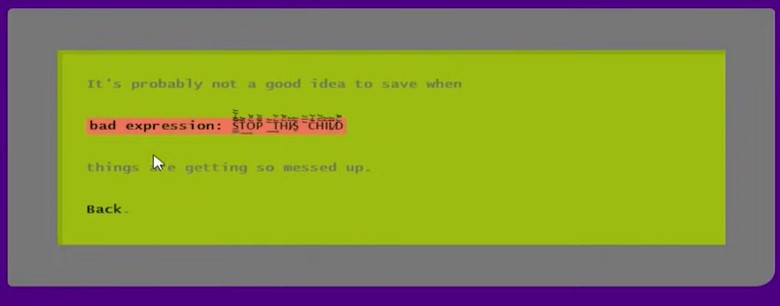
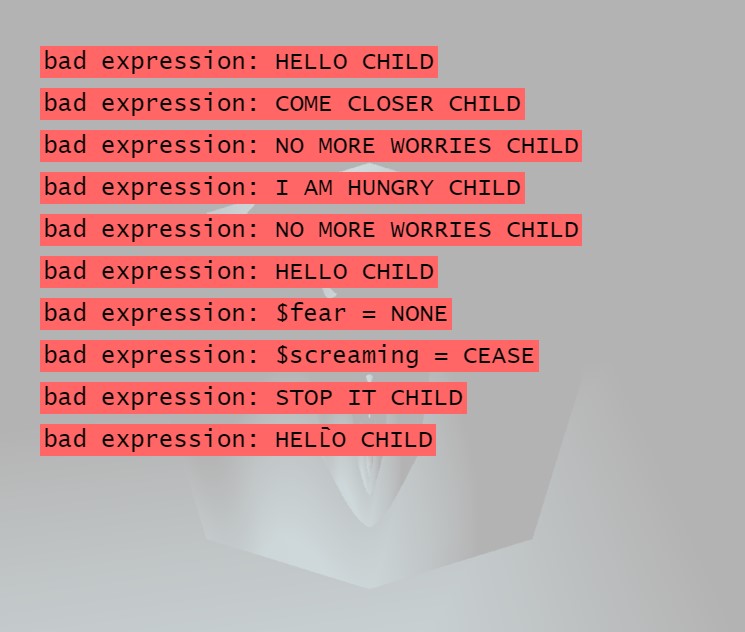
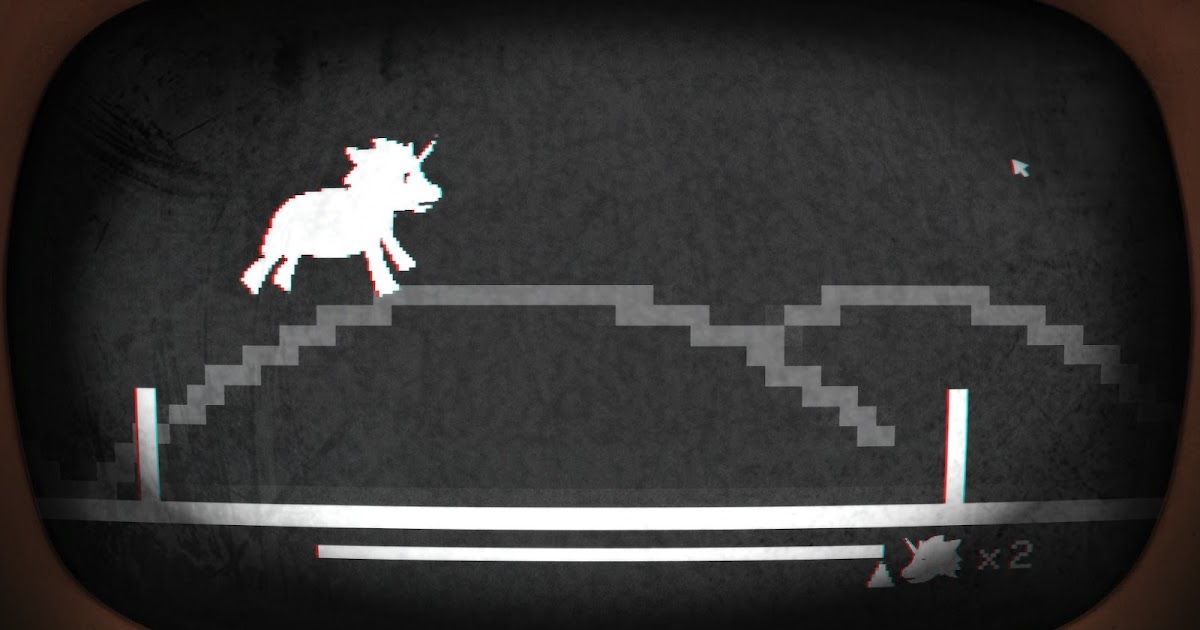
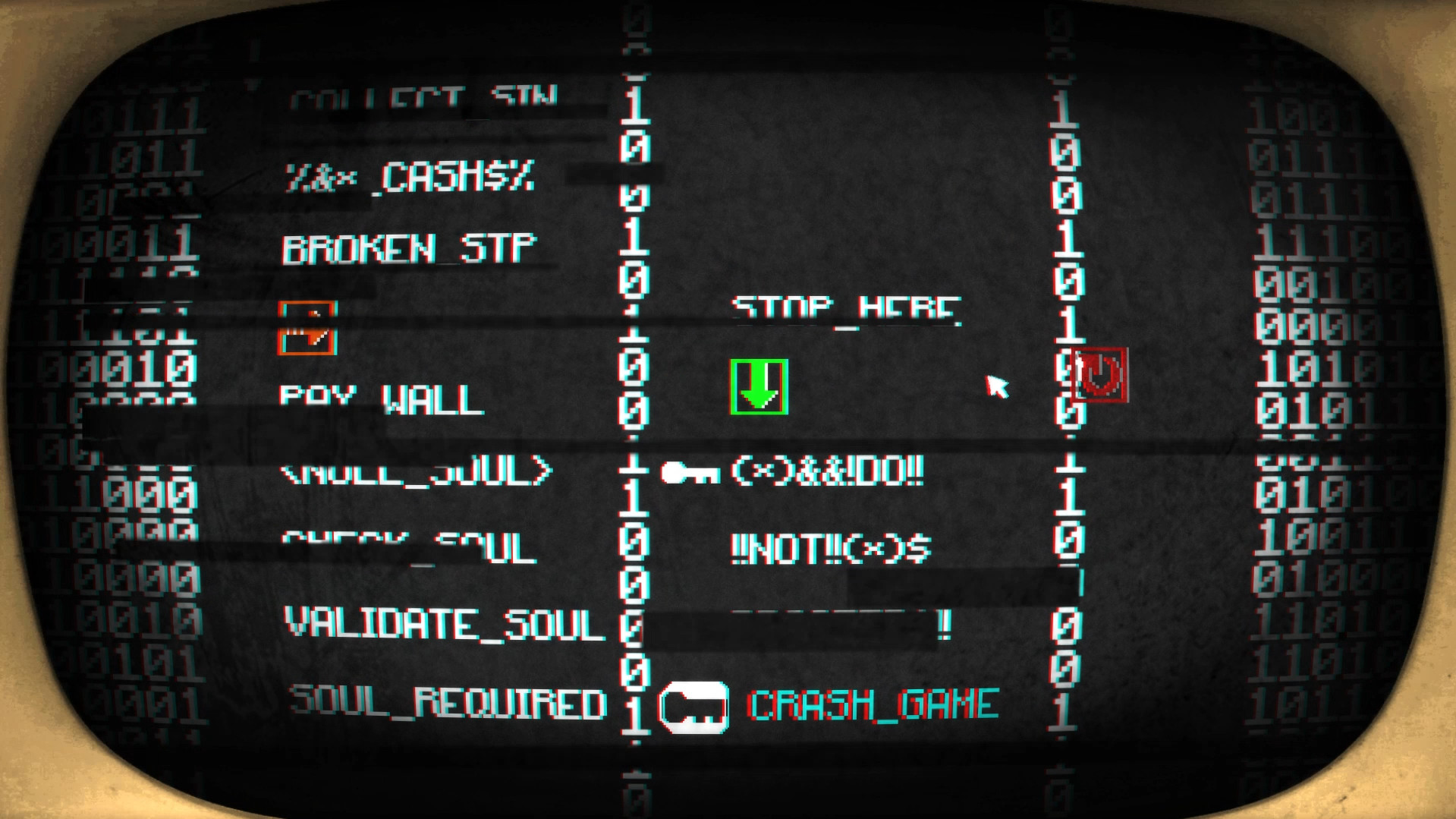
Clearly, Inscryption’s first act squeezes themes of self-sacrifice or horrifying action-consequence out of nearly everything the player sees. A few of the cards in your deck talk to you throughout the playthrough, and it’s pretty clear they’re people trapped inside of cards by the arbiter across the table. Your overall goal is to set them free, which you eventually do. However, one of those people goes on to become the game’s actual antagonist, taking control of the software, reshaping it in his image and manipulating you into his meta-scheme (he wants to upload this corrupted version of the game to the Steam store). In the third act, where this plays out, themes of self-sacrifice continue. One fight has you look through your real-life hard drive to find large files the game then threatens to delete, and in a different fight, you have to fight and kill enemies that take the form of people from your actual Steam friends list. While less visceral, these more personal actions are effective continuations of the game’s overarching themes of self-sacrifice and self-imposed horror.
Inscryption, especially in its first act, is a game that challenges you, the player, to answer a question more explicitly than most others ‒ “To what degree are you willing to engage with the game?”